
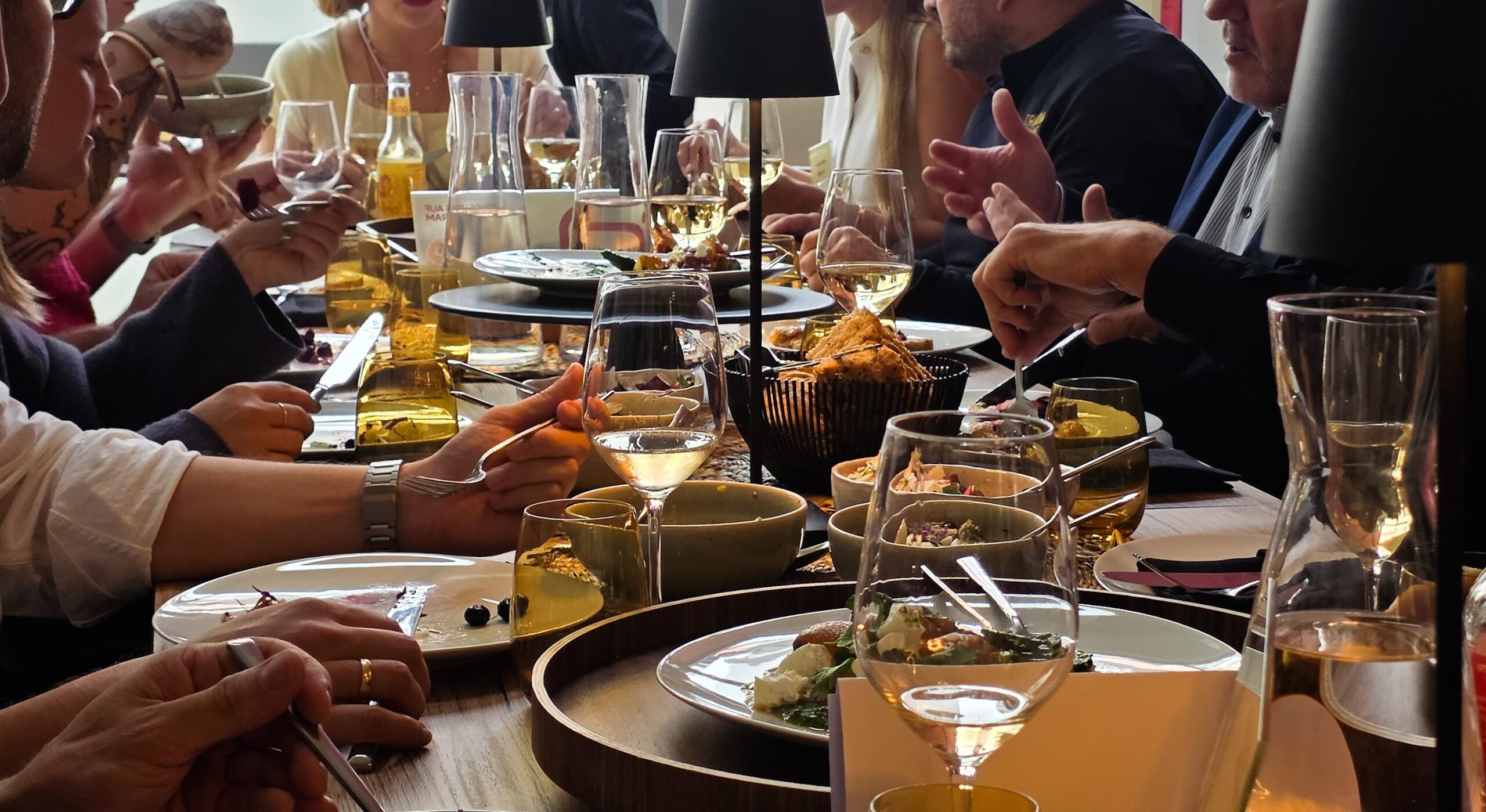
Every serious chef cooks with a story. Origin, technique, a reason this dish exists and no other. Most of that story never reaches the guest. It flattens into a line on a menu, read in passing and gone before the fork goes down. Proximity is what changes it. A dish made and understood in front of the guest becomes an experience people gather around and remember.
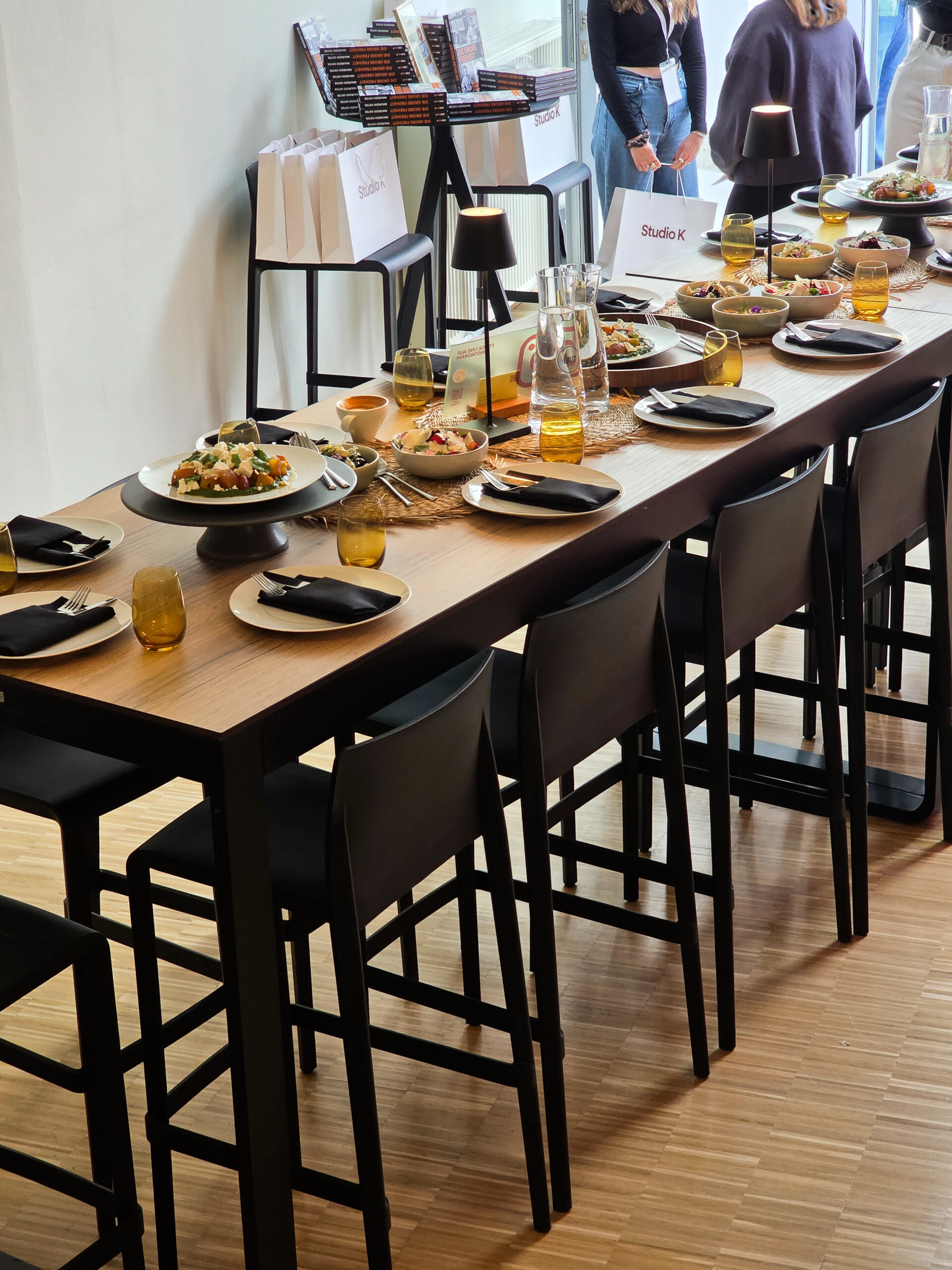
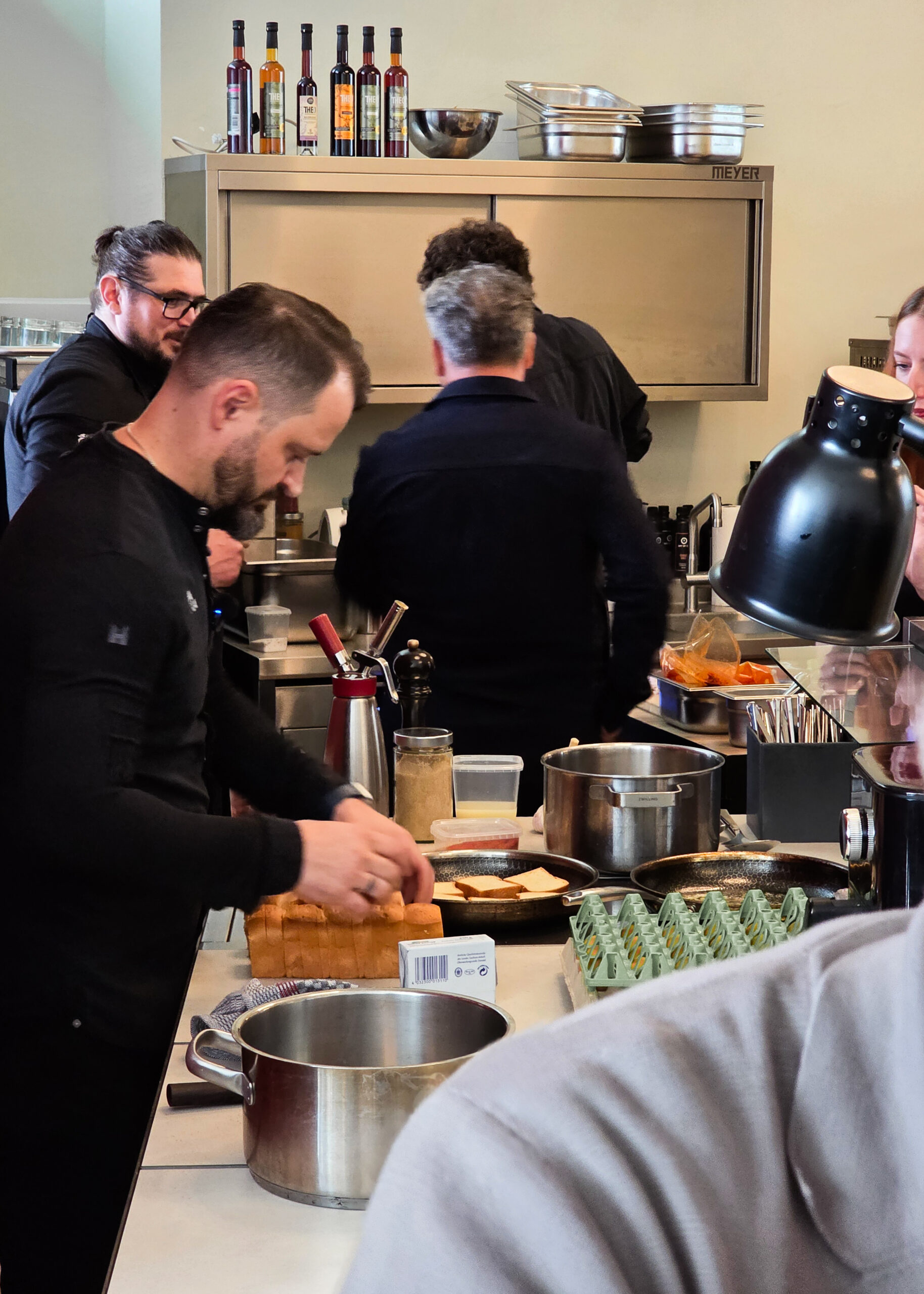
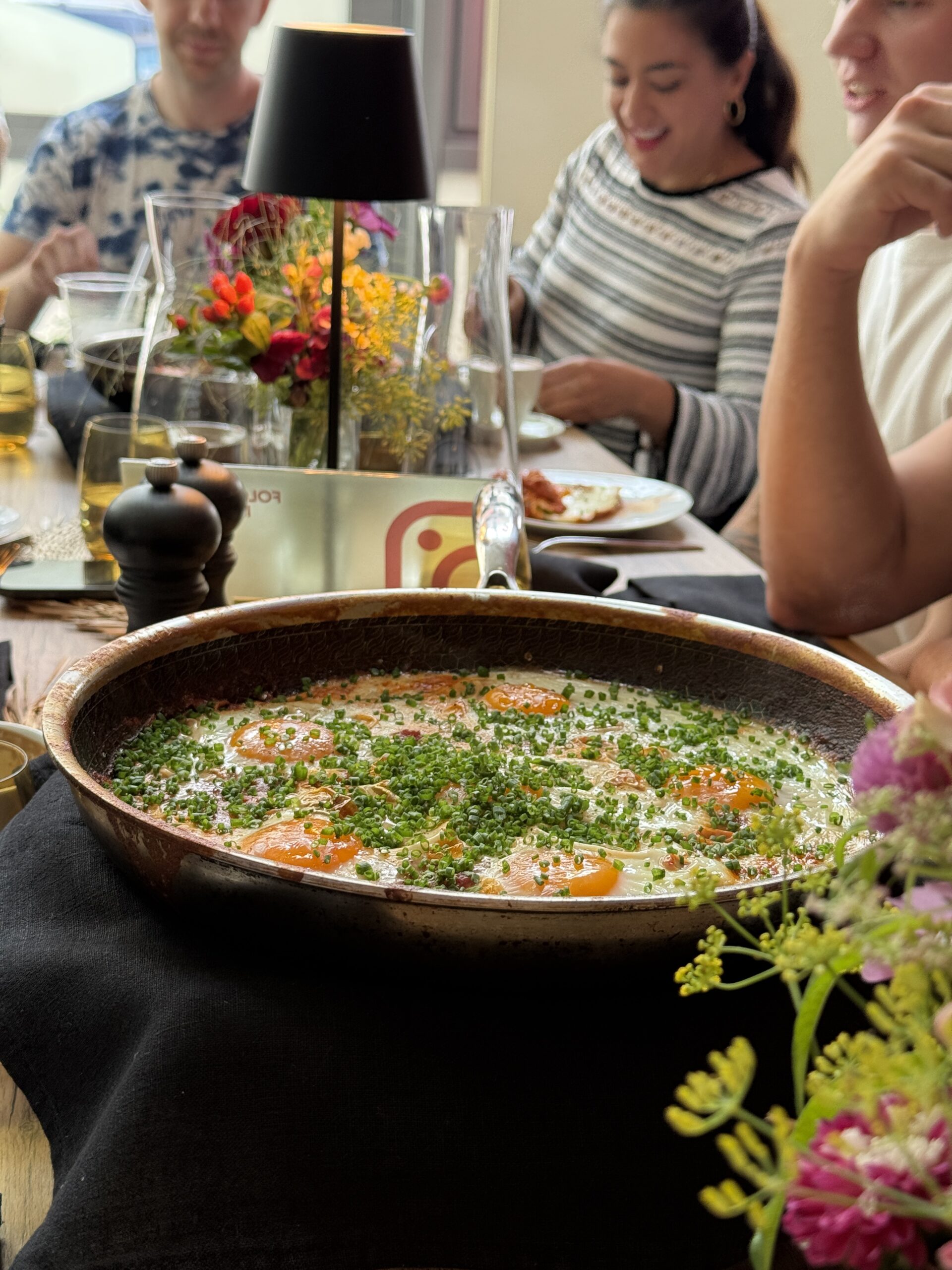
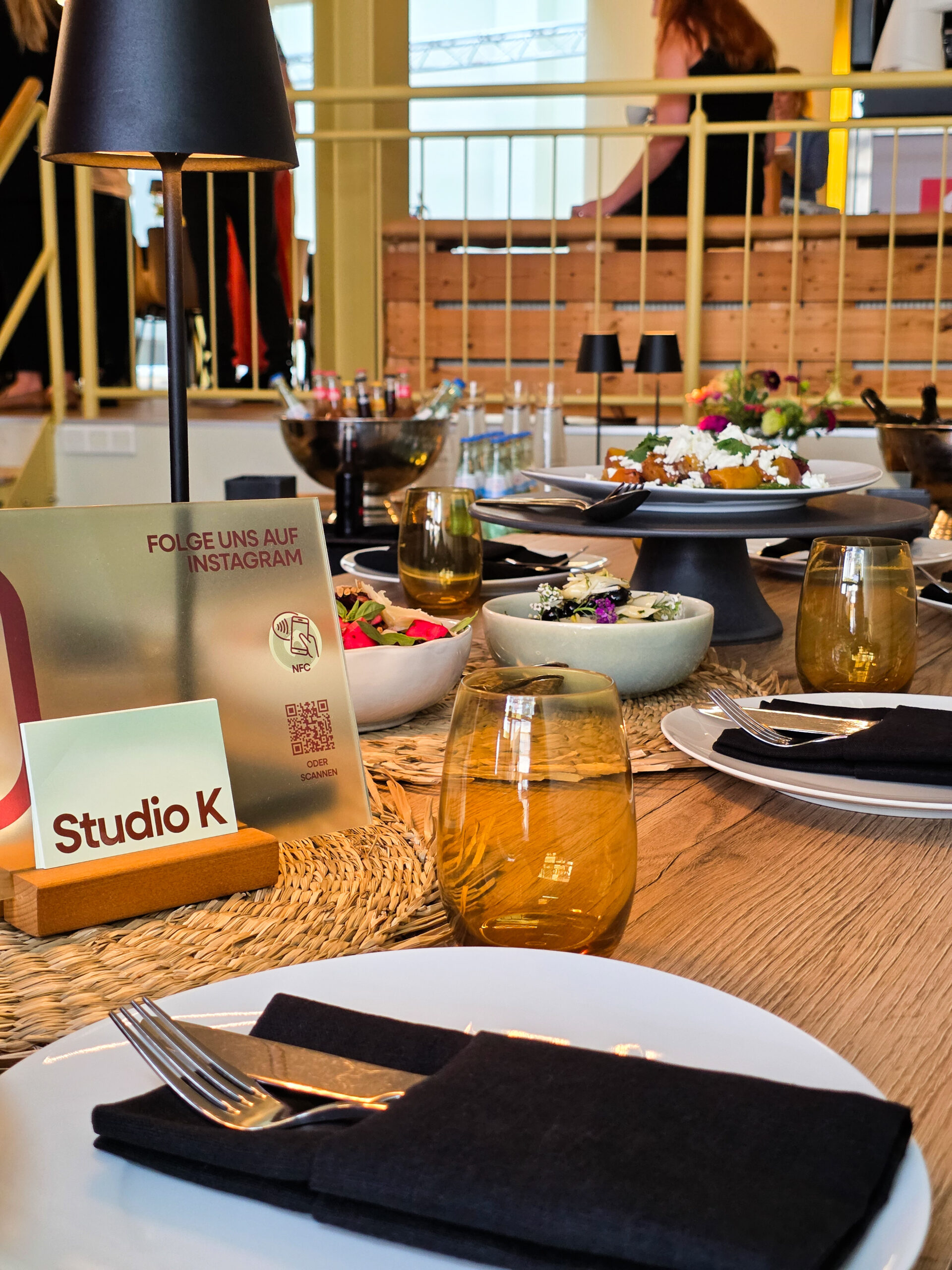
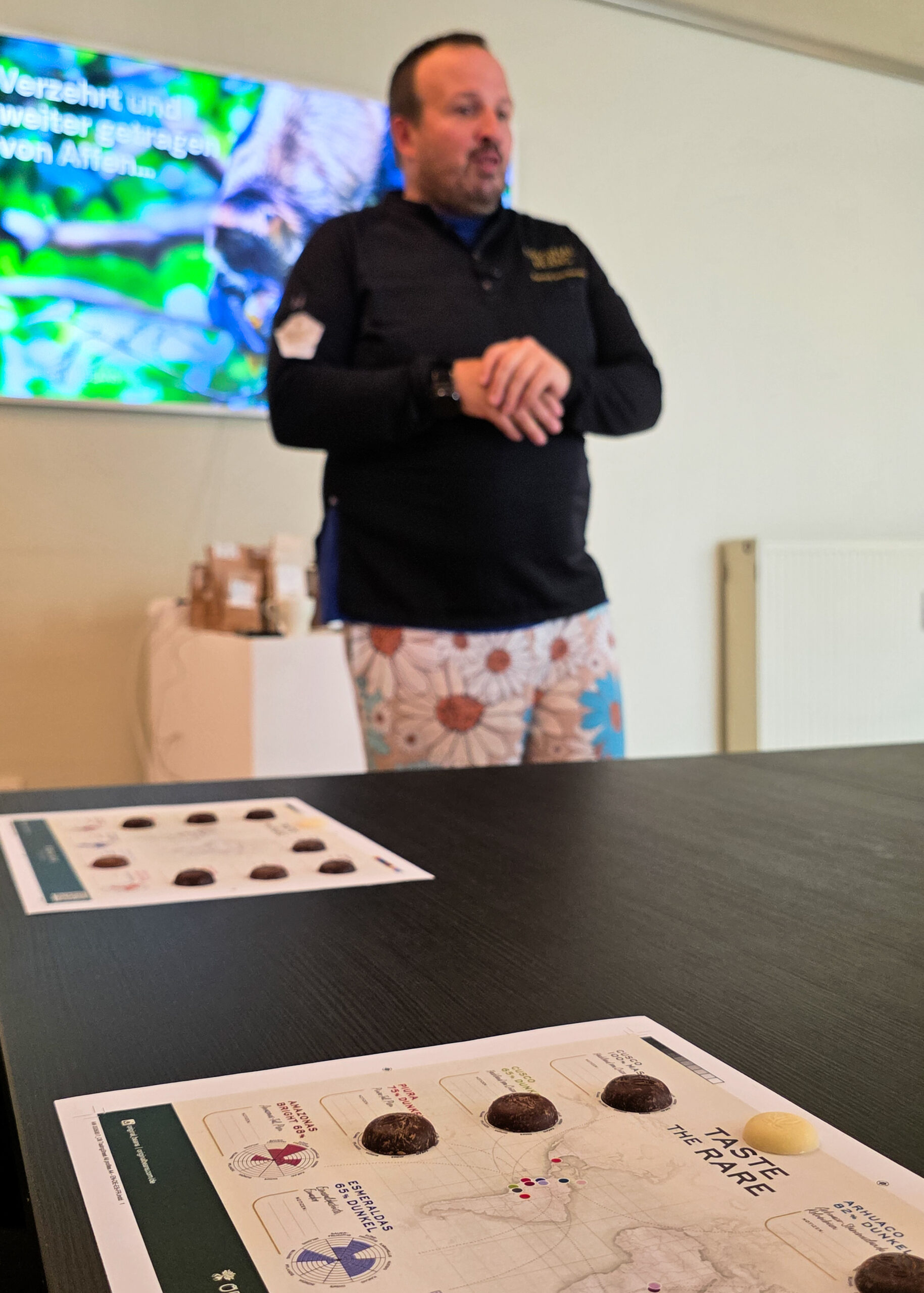
That mechanic ran an entire day at the opening of Studio K in Cologne. By nine-thirty the room smelled of breakfast, Alexander Wulf plating over an open flame while guests leaned in and phones went up to catch it. A livecookintable® live cooking station sat at the center of the new space Kirberg Catering and K1 Kommunikation built in the Südstadt, and it stayed exactly where it was while the room changed shape by the hour, working as the stage the whole day turned around.
A stage that changed by the hour
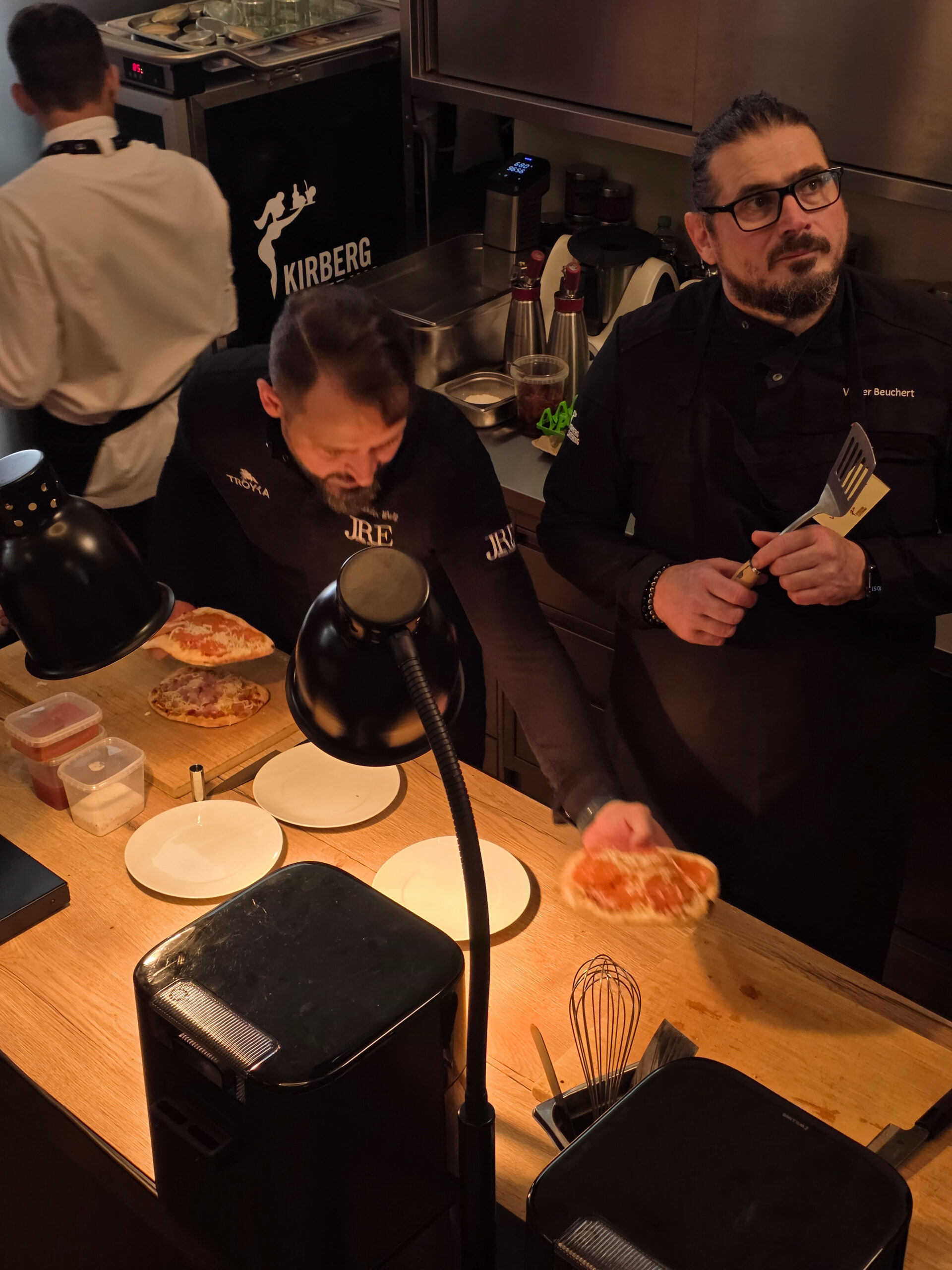
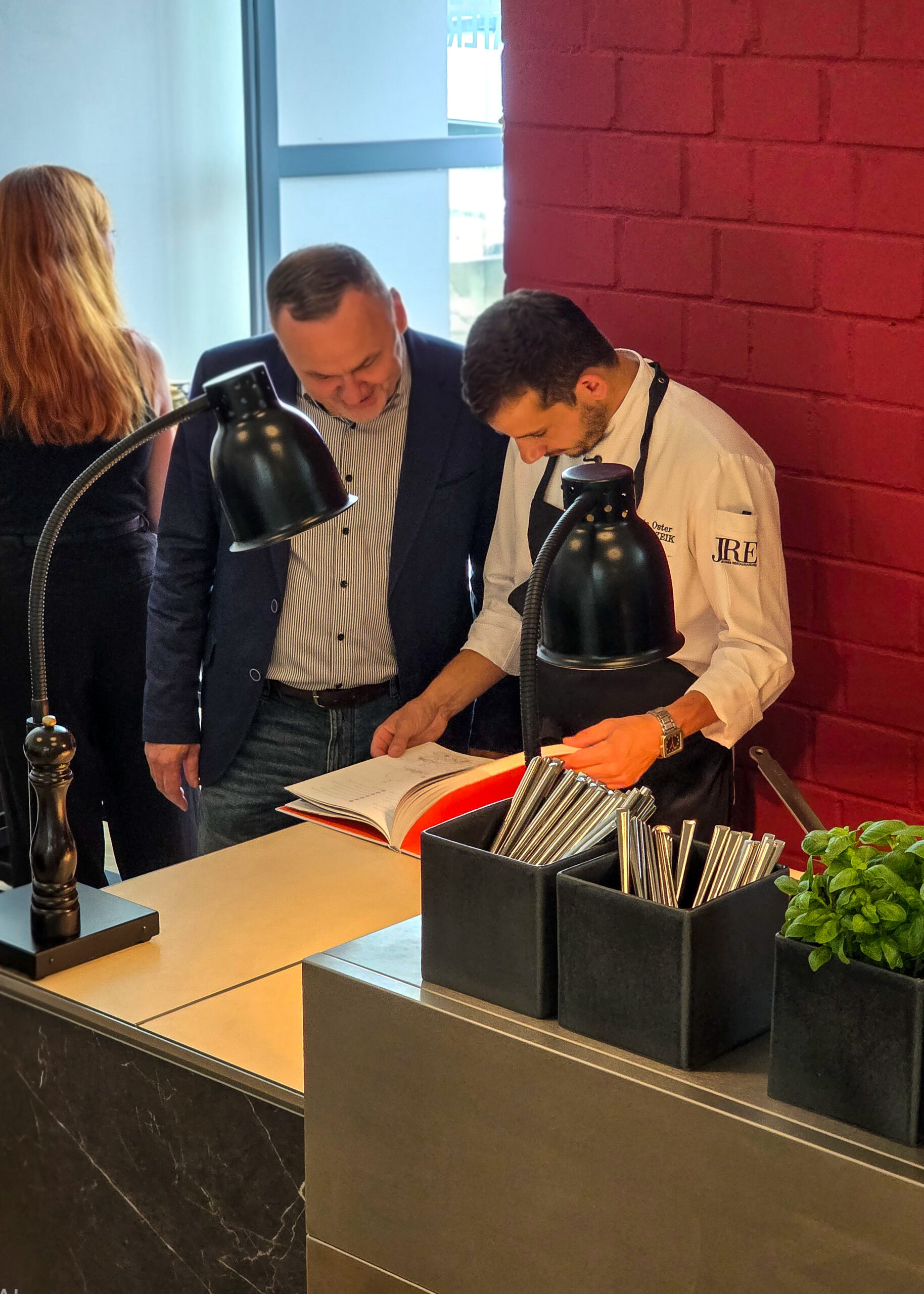
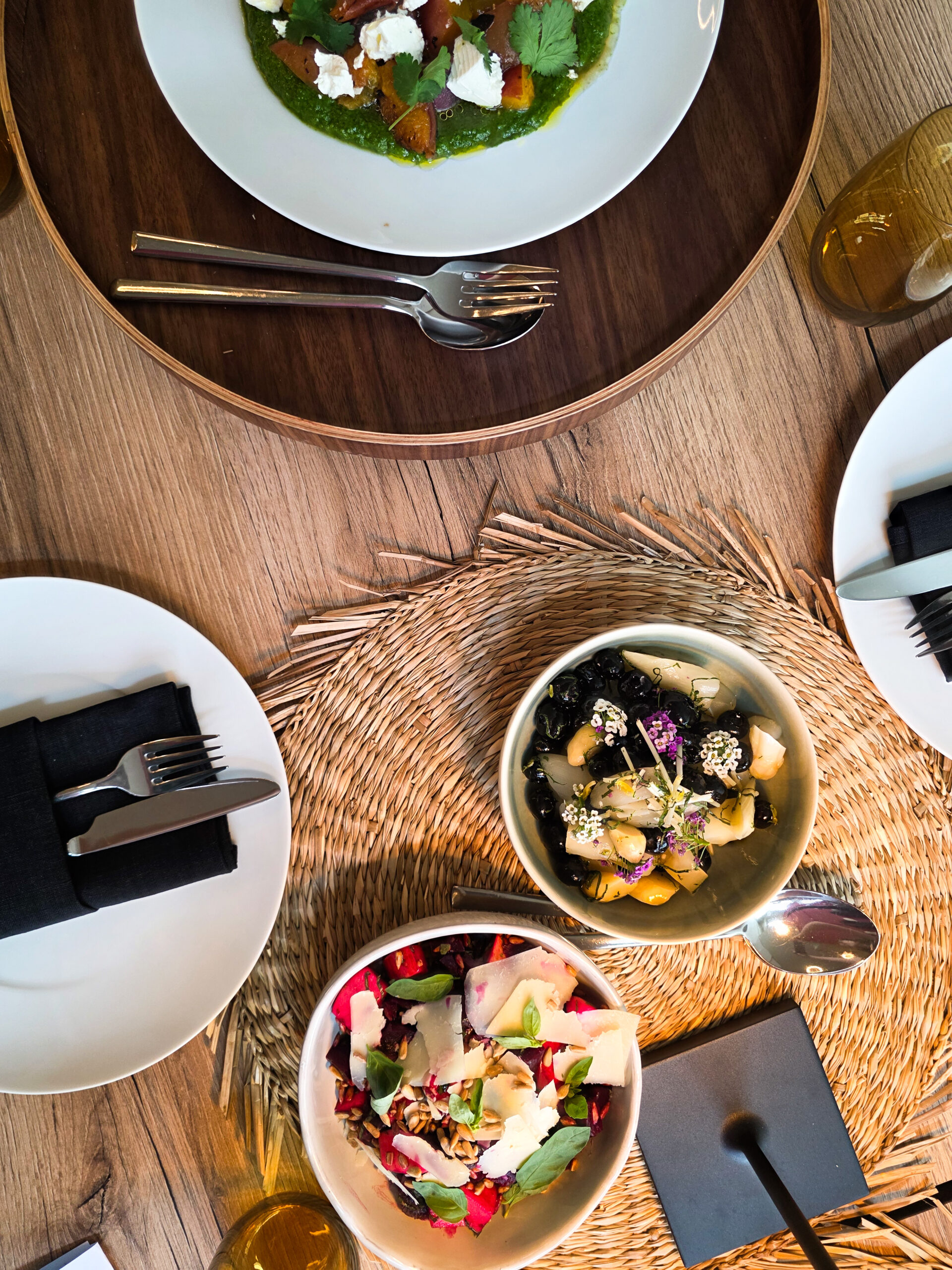
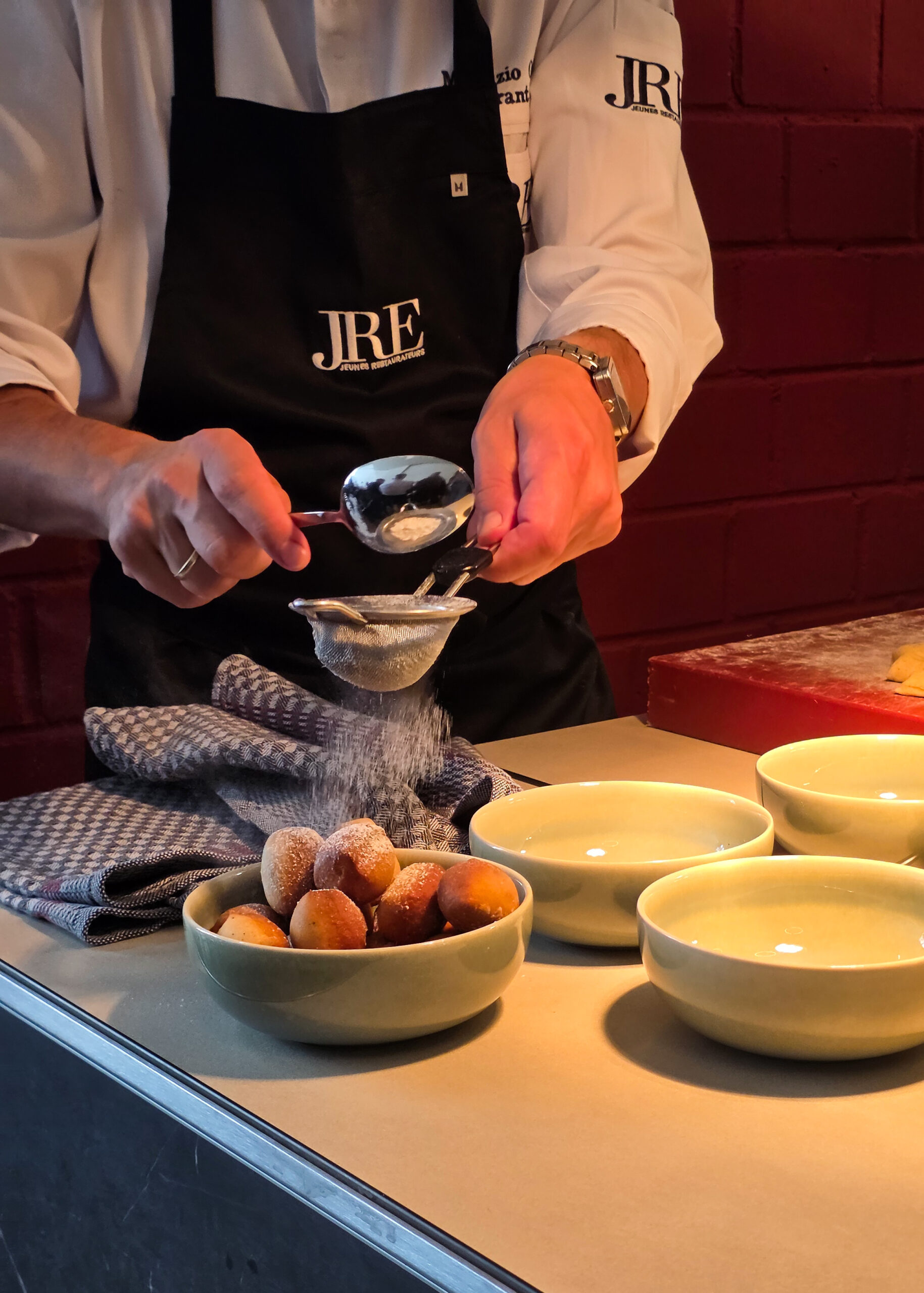
By midday the breakfast crowd had gone and the table belonged to Maurizio Oster of ZEIK, plating a chef’s table lunch that drew on his new book, Die große Freiheit, as guests sat shoulder to shoulder along one long table. He stayed at the station for dessert, and that is what he came back to on camera afterward, the range of going from a spaghetti Bolognese at lunch to a dessert on the same table. Only then did the room turn again, for a conversation between Vincent Moissonnier and Volker Beuchert on hospitality and the craft behind Cologne’s kitchens, wine poured, the Falstaff editor Ingo Swoboda steering it.
The furniture moved through the day and the lighting shifted with each format. The table did neither. That is what earns a cooking surface the middle of the room rather than a corner at the back.
Why it reads as premium
There is a commercial edge here that any operator will feel. A plate finished to order, in view, reads as made for the person receiving it. It could not have come off a tray in the back. That sense of something prepared in the moment, for you, is what a premium service rests on, and it is hard to fake and easy to feel. The value sits in the plate being made for one person, then and there. The watching is how the guest comes to know it.
Where the table goes next
None of this belongs only to a grand opening. The same station carries an intimate dinner where a chef cooks for eight and no course leaves anyone’s sight. It runs a workshop where guests learn with their hands while the work happens at the counter. It becomes a set, where food made in real time gives content the one thing a plated photograph never holds, the moment it happens. One modular live cooking station runs induction, wok, teppanyaki, and grill, and moves through all of it with no separate build for each format.
Follow that thought past the events calendar and it turns commercial. The same table makes a paid format out of a stadium concourse, a workplace café, or a retail floor; spaces that were never built to sell an experience and now can. Every space already in operation is a revenue line waiting to be opened.
And the economics are unusually clean, because the value never has to be argued. A guest who watches the dish take shape has already seen what the price is for. There is no case to make, no premium to defend on a menu. The work settles it in front of them, and that is the rare service that justifies its own cost.
If a live station could sit somewhere in what you already run, that is worth a conversation. Tell us about the space, and we can think through what it might become.
Whether you would like to learn more about our products, request a personalized consultation, or are simply curious about the solutions we can develop for you: we are here for you.
Did you enjoy this Blog? Share it with your Network.