
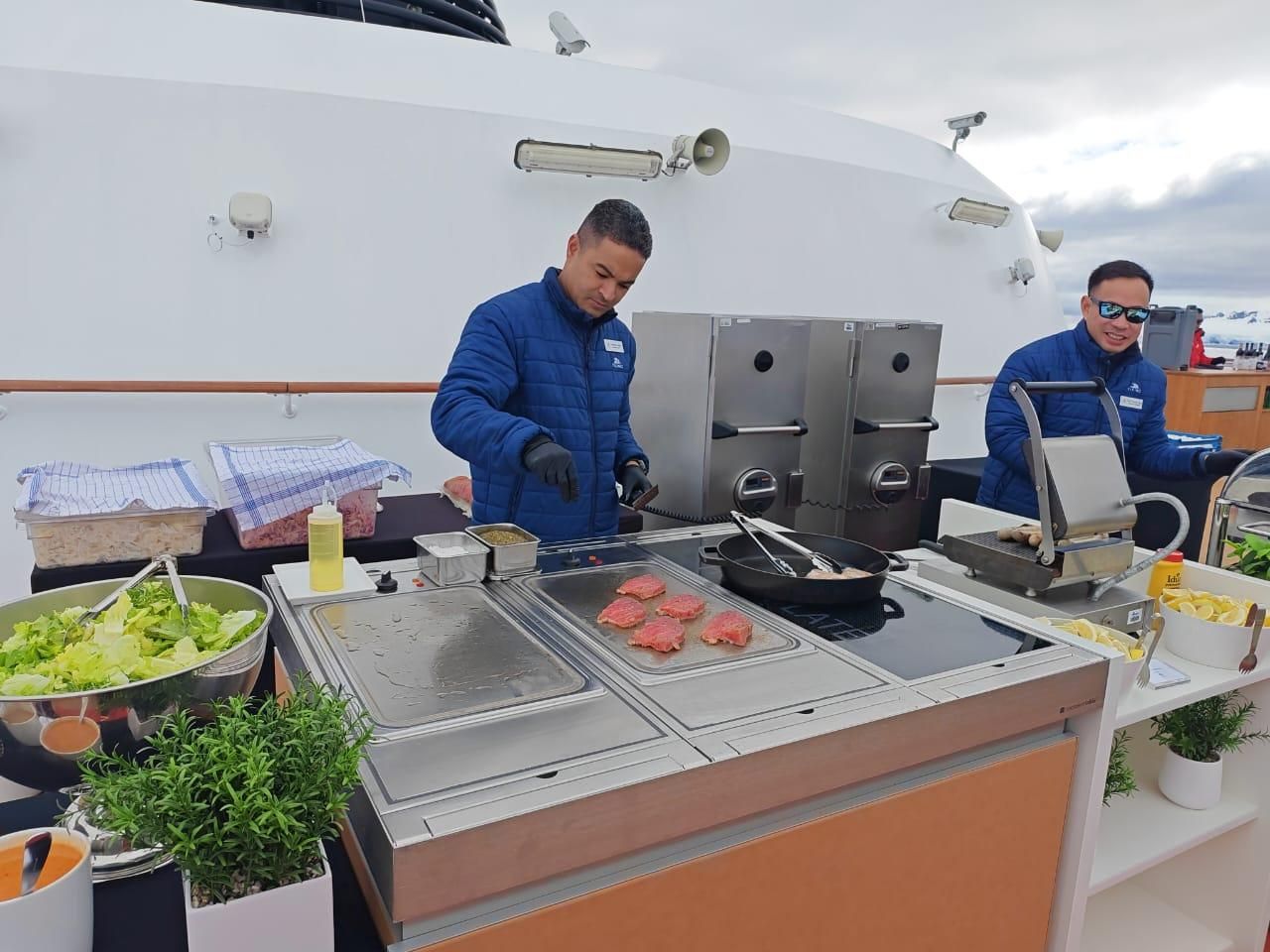
From New York City to Antarctica, recent projects have shown just how often F&B teams are asked to operate outside of traditional kitchen environments.
Over the past few weeks, this has come up across very different types of operations from event spaces and catering setups to cruise ships and high-volume kitchens. Even tough the environments are different, we have witnessed that the challenge behind them is often the same: the demand is there, but the setup doesn’t fully support it.
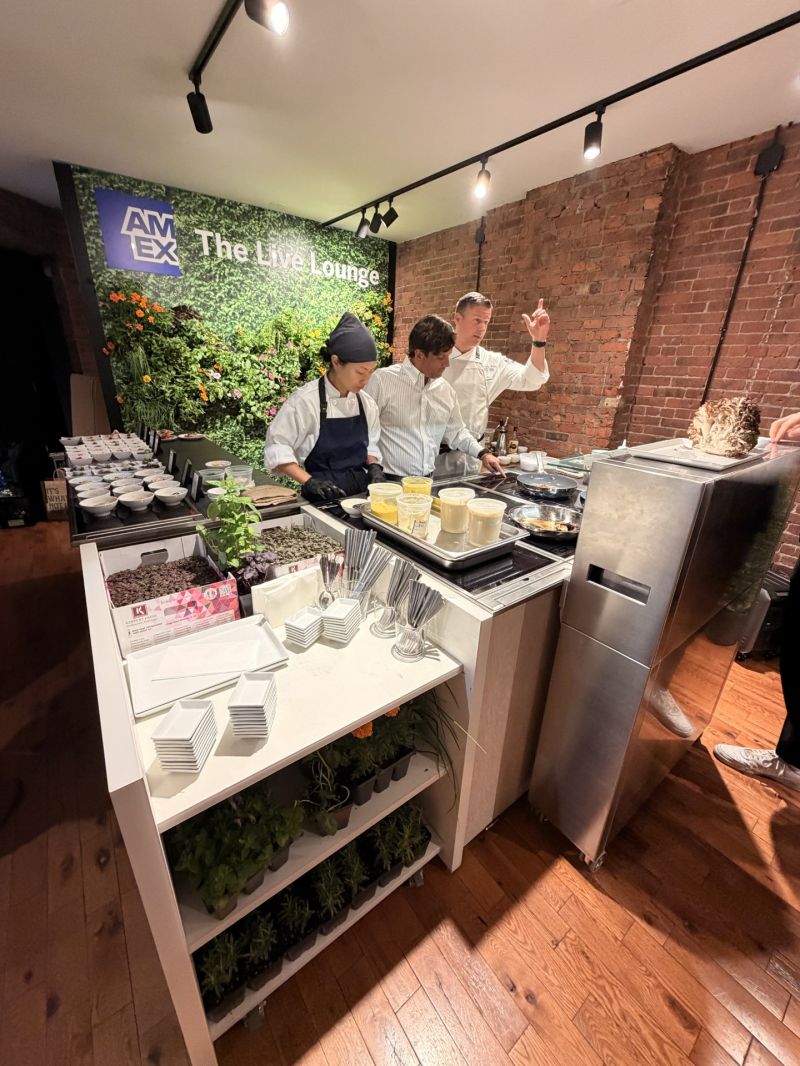
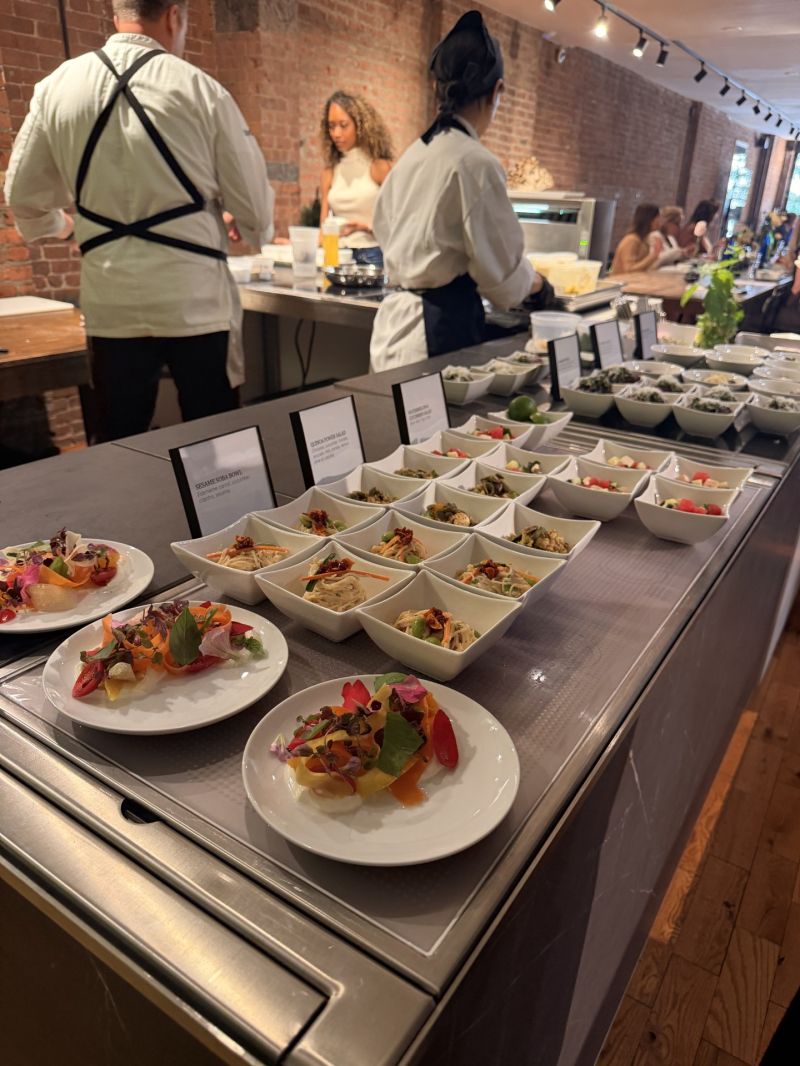
You see this clearly in cities like New York, especially when it comes to non-standard activations.

Take brand investor lunches, product launches, private dinners, or press events. These are typically hosted in spaces chosen for their atmosphere, location, or brand fit, not for their kitchen infrastructure. At the same time, expectations around the food are high. It has to match the brand, the audience, and the occasion and that’s where things start to get complicated.
The existing setup, if there is one, is often not designed to support that level of F&B, or there may be no kitchen at all. As a result, the concept has to adapt to the limitations of the space.
So what happens?
Menus are simplified, ideas are scaled back, and execution becomes more about what’s feasible than what was originally envisioned. In some cases, the F&B offer is reduced to something safe; in others, it’s dropped altogether because the setup simply doesn’t support it.
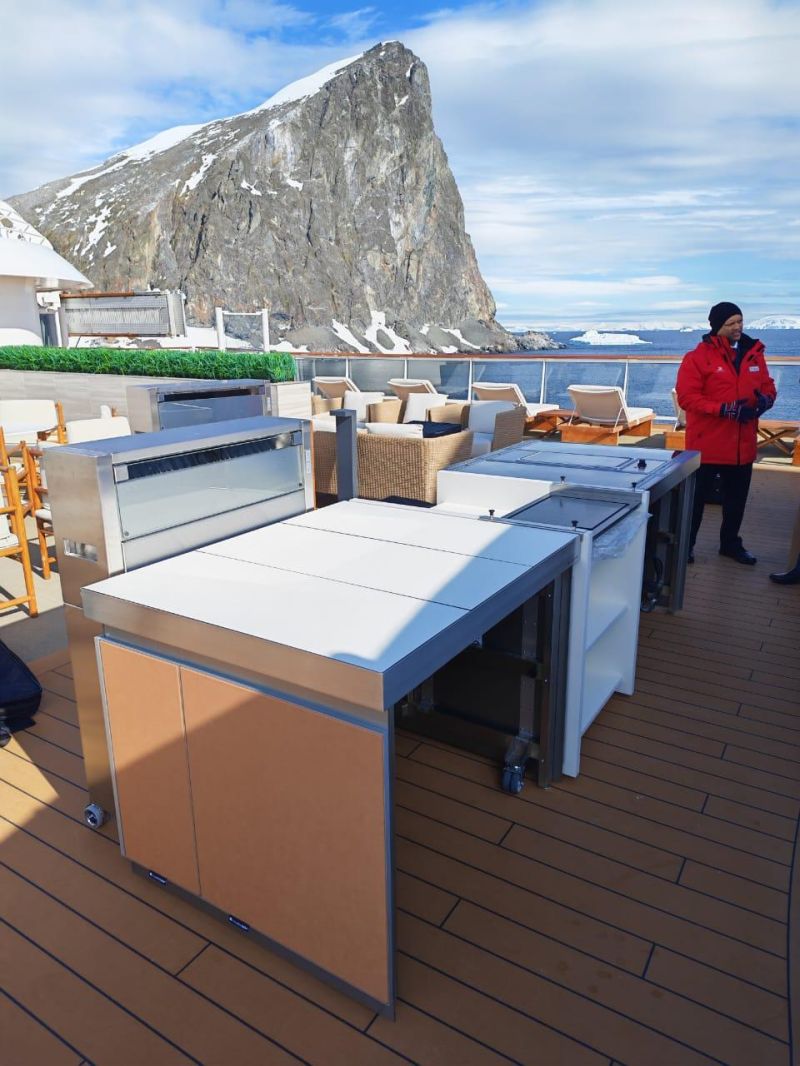
Now shift to an expedition ship in Antarctica.
Here, the challenge isn’t just space, it’s isolation. Strict safety regulations, limited infrastructure, and complex logistics all play a role. Equipment has to meet specific requirements, and once the ship is in operation, there is very little room to adjust or bring in additional capacity.

Nonetheless, expectations don’t adjust. Guests still expect variety, consistency, and a well-executed dining experience throughout the journey which creates a difficult balance.
And if we bring it back to a more everyday environment, the same pattern shows up in commercial kitchens.
During peak periods, demand increases, but the space and installed equipment remain unchanged. There’s no practical way to expand in the middle of service.
So teams adapt.
They adjust workflows, re-prioritise production, and push the existing setup as far as it can go. Over time, this starts to impact speed, consistency, and the range of what can be produced, especially when pressure stays high over longer periods.
Across all of these examples, the environments are completely different, but the limitation is consistent:
At a certain point, the setup defines what can and can’t be delivered.
But what if it wasn’t?
What if the kitchen could move with you? Scale when you need it, and appear exactly where the opportunity exists?
This is where a new way of thinking about F&B operations is emerging. A model that provides operators not just equipment, but freedom.
The ability to turn any location into a functioning F&B environment. To scale up or down without friction. To test concepts, respond to demand, and operate where it previously wasn’t possible.
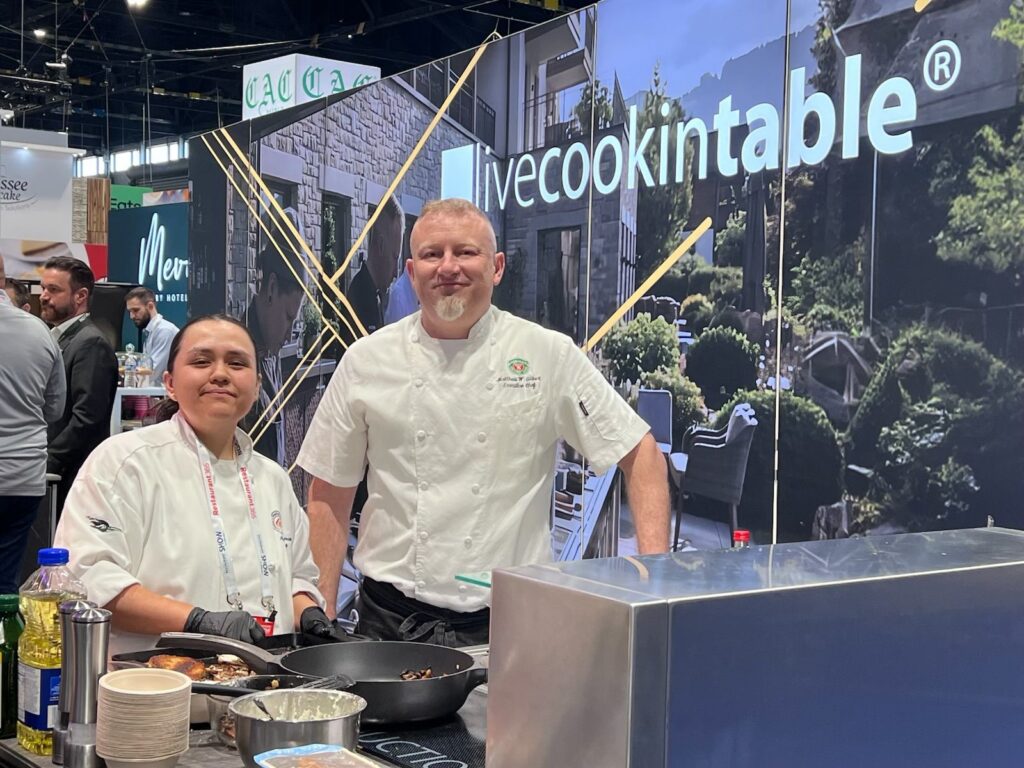
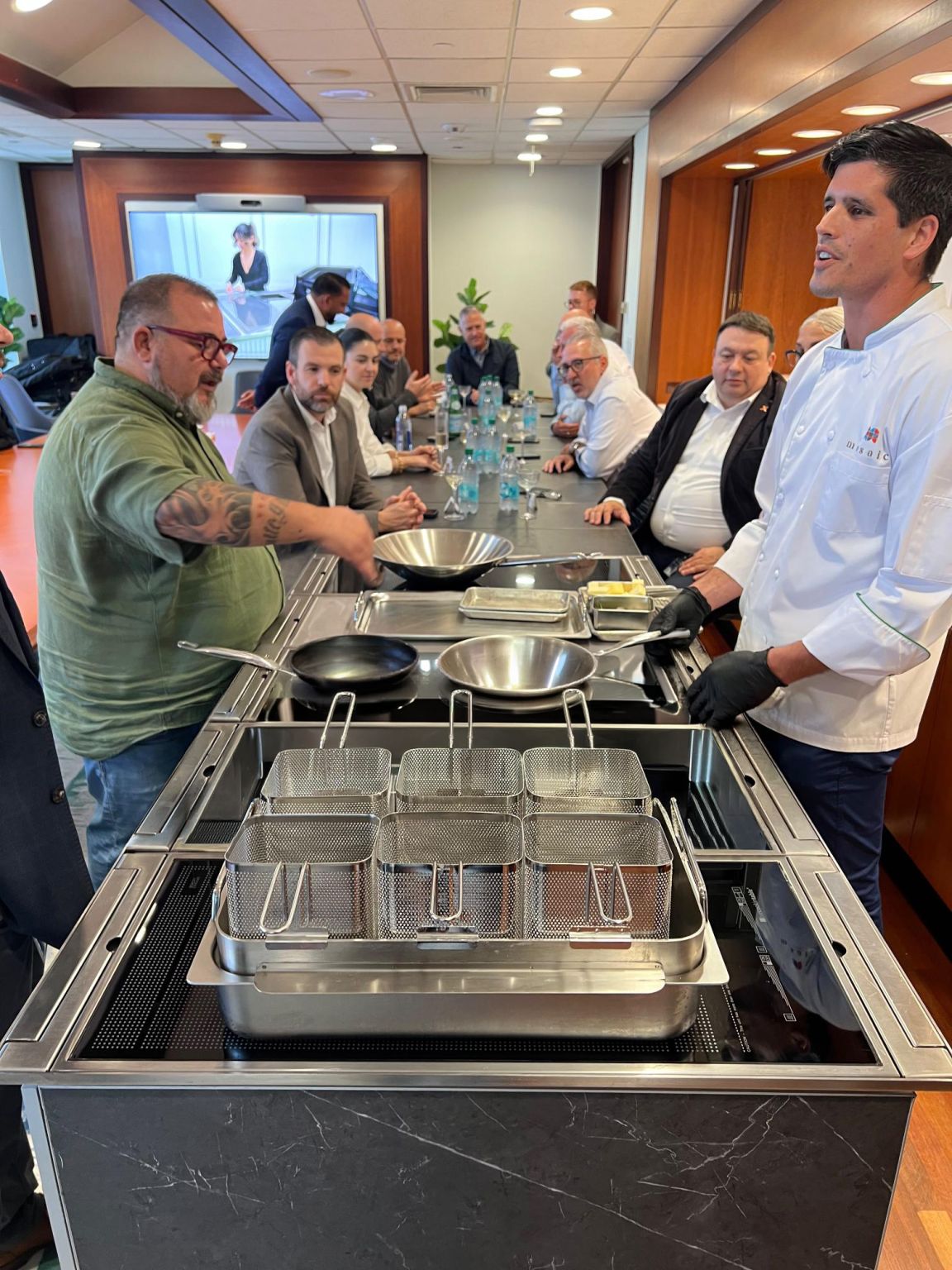
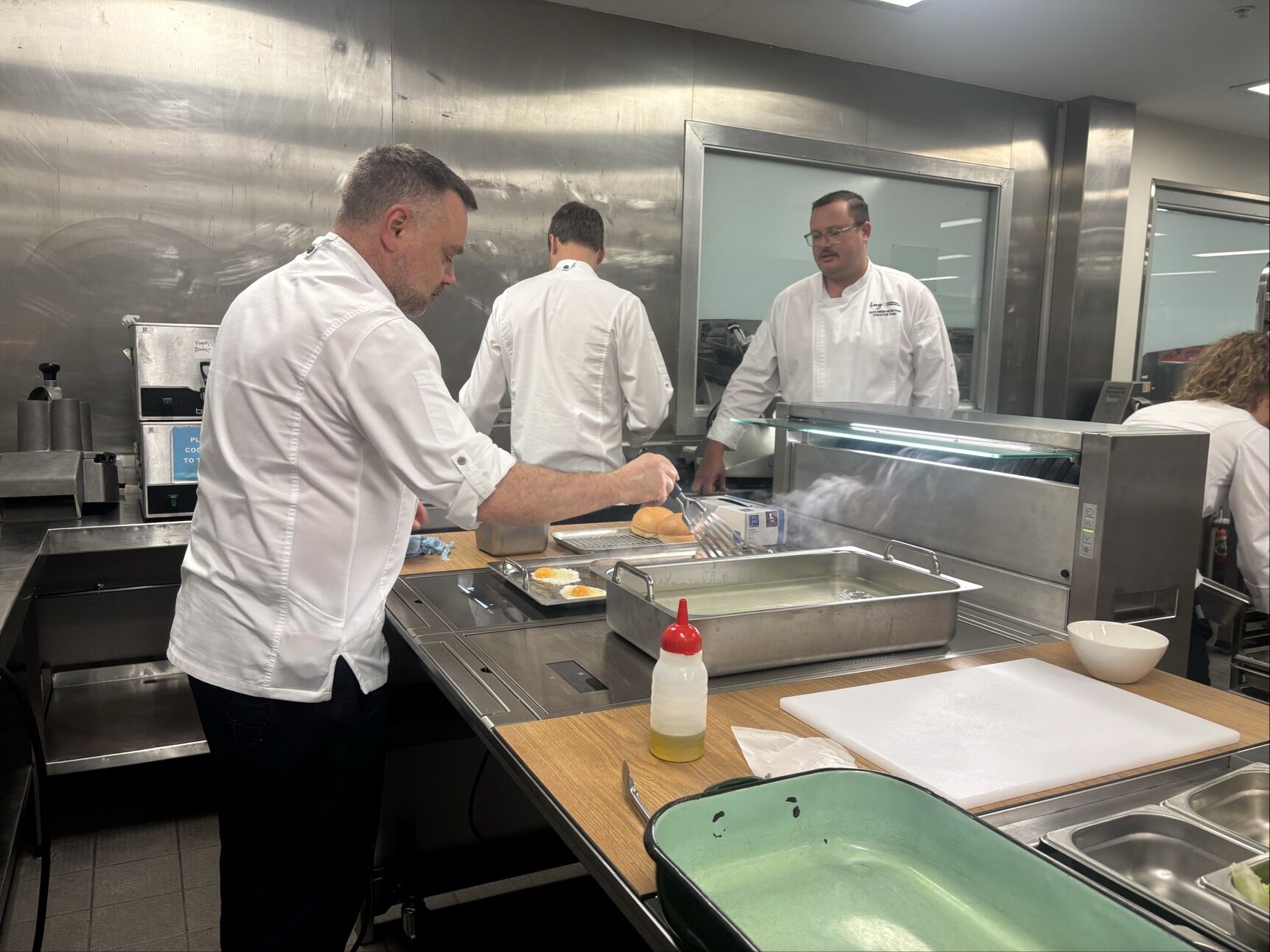
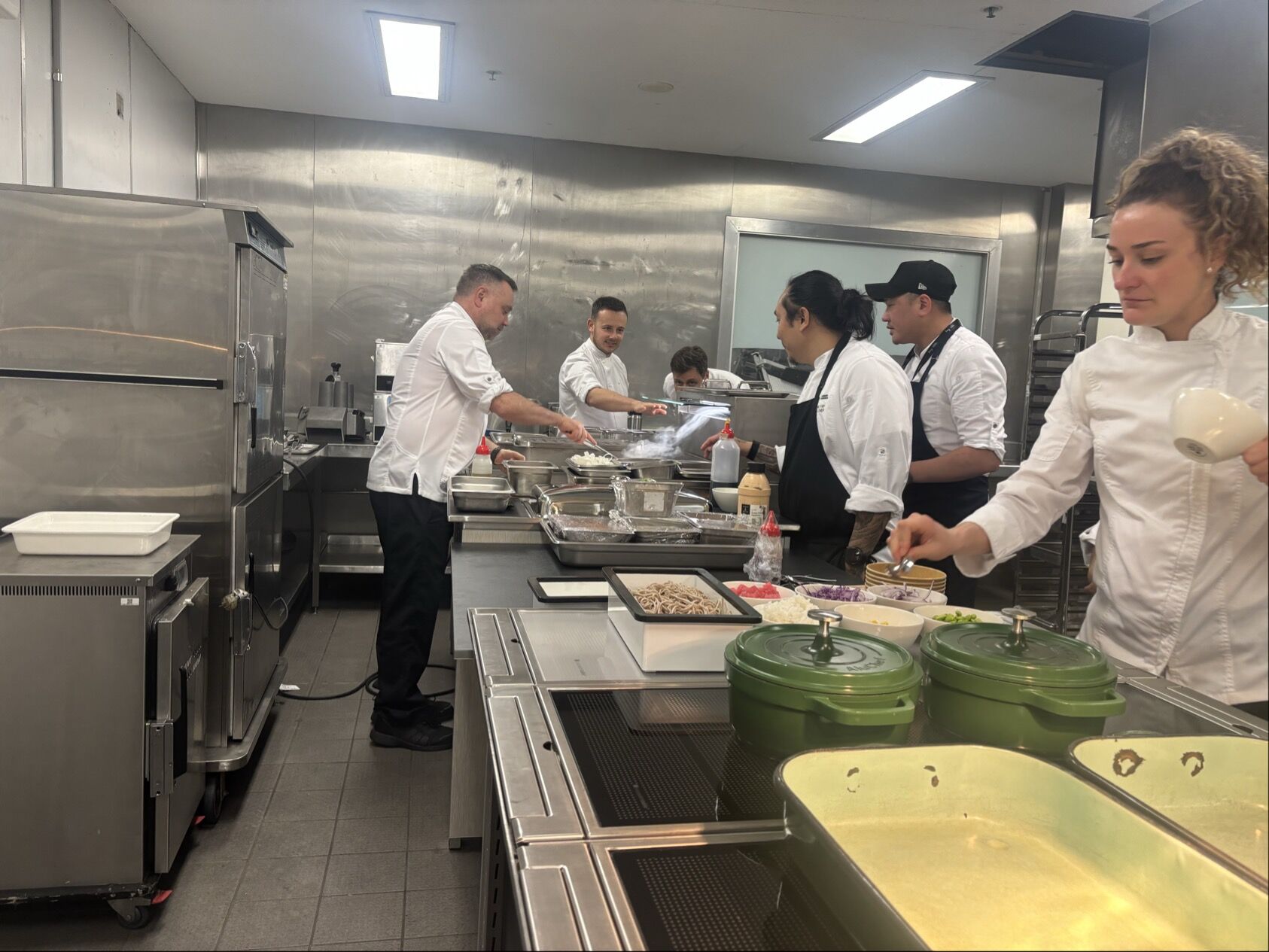
This is not hypothetical. It is exactly what we did for some of our clients last week. From a pop-up kitchen in an event space in New York City to supporting culinary operations onboard an expedition cruise in Antarctica, livecookintable® proved that there are virtually no limits to where F&B can be activated with deployable modular live cooking and buffet solutions.
How It Works in Practice
This approach is more about rethinking how kitchens are built and deployed than about temporary fixes. Instead of fixed installations, our modular system allows kitchens to be configured based on the space, the concept, and the operational need.
At its core, the setup includes:
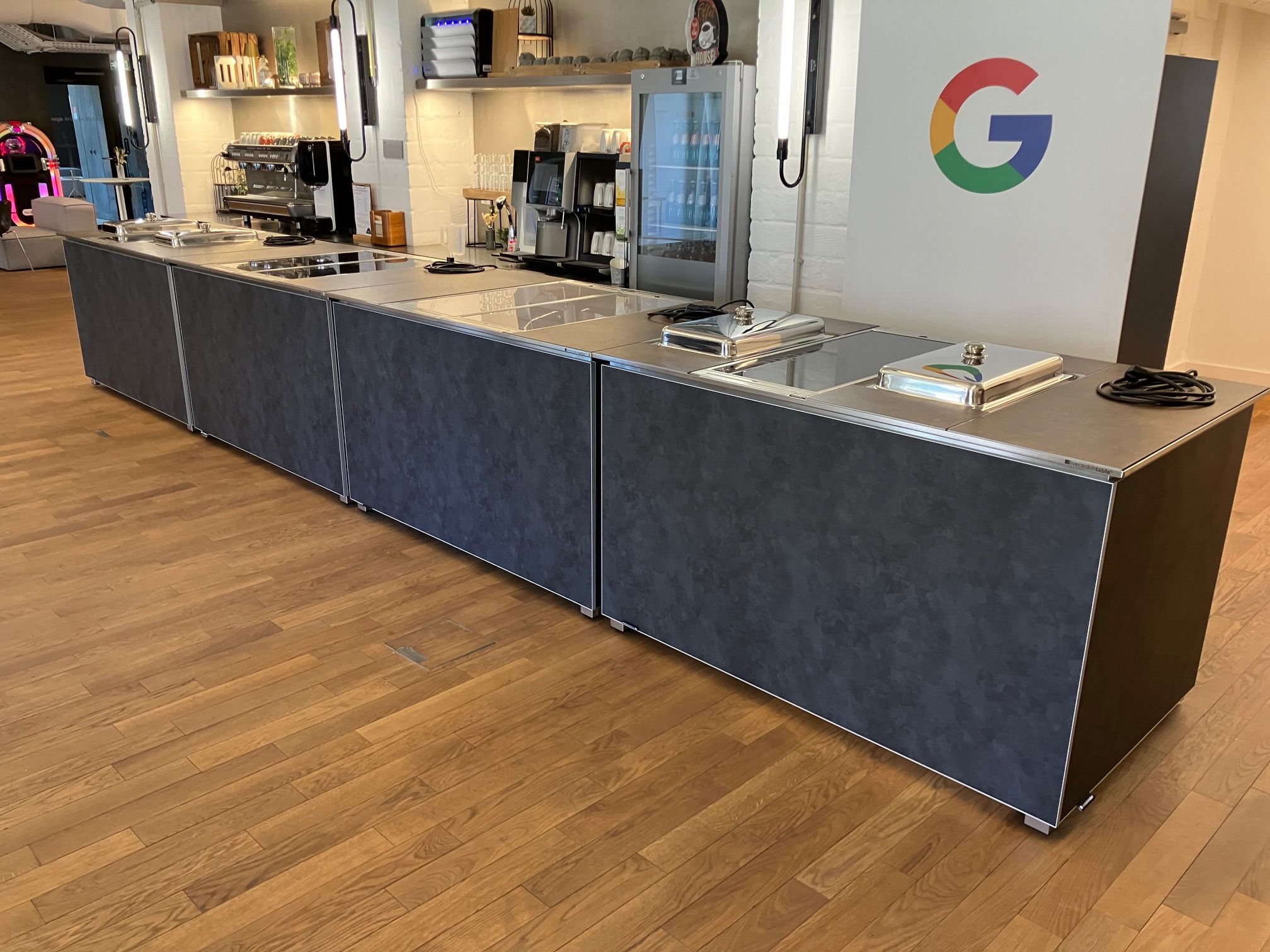
- Modular table systems that form the foundation, easily arranged into stations, buffet lines, or full kitchen setups.
- Interchangeable cooking devices such as Induction, Grill, Hot & Chill Holding, selected based on menu requirements.
- Integrated ventilation solutions that enable safe operation even in spaces without traditional extraction.
- Flexible power options, including plug-in and battery-supported systems, allowing operation with limited infrastructure.
- Mobile and reconfigurable design, making it easy to transport, reposition, expand, or adapt during service.
The result is a professional cooking environment that adapts to the space, rather than forcing the space to adapt to the kitchen.
Solutions like livecookintable® are built on this principle, enabling operators to deliver consistent performance across entirely different environments.
From Constraint to Opportunity
When the constraint of fixed culinary equipment is removed, something changes:
You stop asking, “Can we execute here?”
And start asking, “What could we create here?”
- A venue without a kitchen becomes a dining destination
- A temporary setup becomes a premium experience
- A capacity issue becomes a growth lever
- A static service becomes something dynamic and engaging
This is where real value is unlocked, not just operationally, but commercially.
What This Means for Operators
For professional kitchens, it means scaling production without rebuilding adding capacity exactly when and where it’s needed.
For catering and events, it means activating any space and delivering high-impact, experience-driven concepts without compromise.
For business & industry, hospitality, and beyond, it means unlocking underutilized spaces, testing new formats, and bringing food closer to the guest.
In every case, the advantage is more flexibility, faster execution, and new revenue opportunities.
Let’s Build What’s Next
Every operator has ideas they want to bring to life. The challenge is rarely the idea. It’s the execution. With a modular approach, many of those ideas become possible, faster and with less risk.
Let’s talk about what you want to create and how it can be brought to life.
Did you enjoy this Blog? Share it with your Network.
Whether you would like to learn more about our products, request a personalized consultation, or are simply curious about the solutions we can develop for you: we are here for you.