
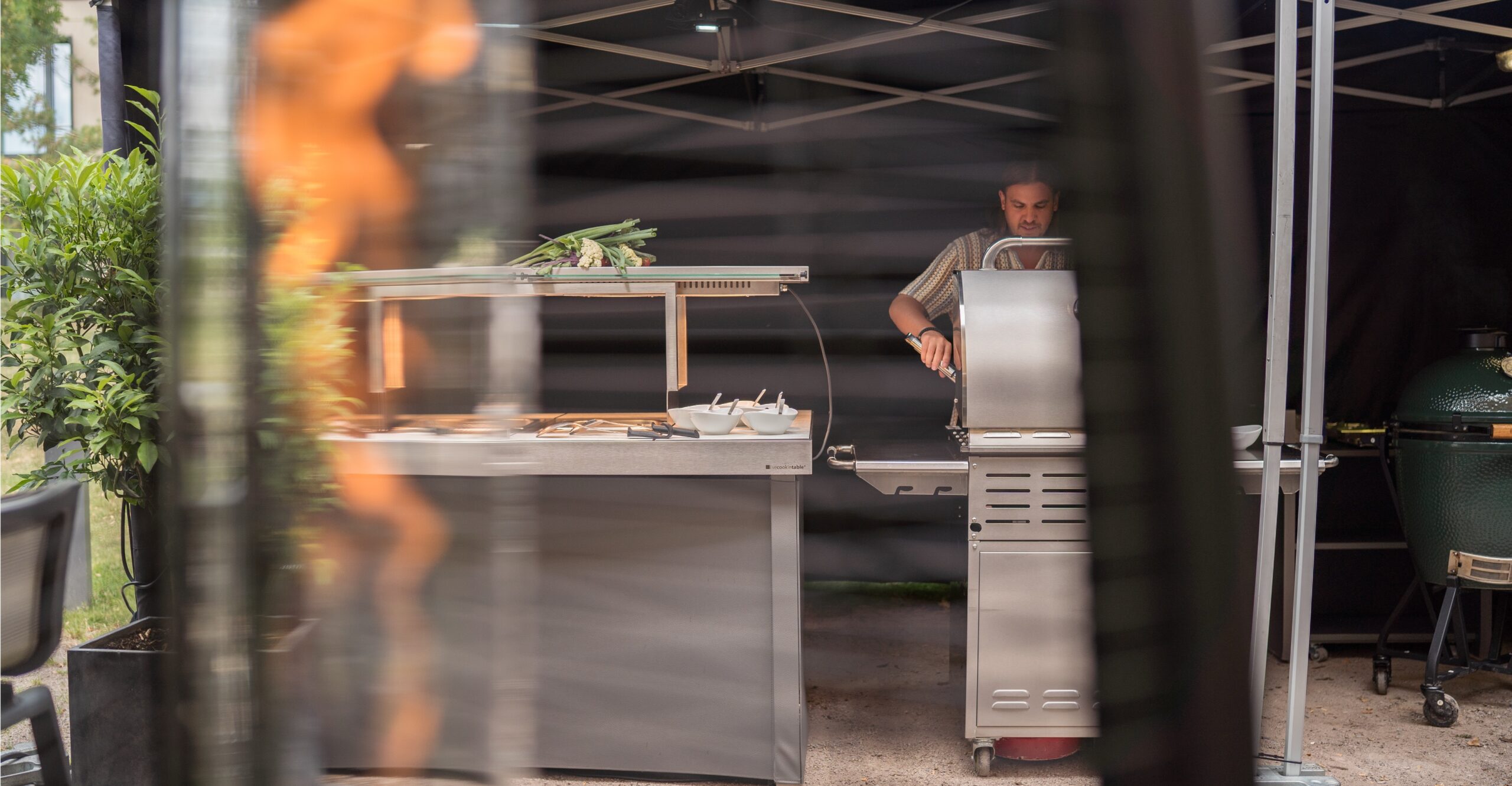
It’s a Tuesday in July. Lunch starts in twenty minutes and your kitchen is three cooks short.
One called out this morning. One quit last week and hasn’t been replaced. The third is technically on the schedule, but it’s their fourth shift ever. Your head chef has already done the math a hundred times, and it doesn’t work. The line was built for six. There are three and a half people standing on it.
You know how this goes, because you’ve watched it before. Chef calls the agency. Texts the two people who sometimes pick up. Works the pass and the grill at the same time and pushes through. But Friday is busier, Saturday is worse, and nobody can run two stations at once for the rest of the summer.
Here’s the part that matters: there’s so little to be done to address the root of the main issue, which is talent pipelines aren’t keeping up with the speed the food service industry is expanding. The team may work harder but they can’t really change what the line needs to run.
Most operators, when the hands aren’t there, reach for the same answer. Find more people. More agency shifts, more cover, more headcount budget. And when the people aren’t out there to hire, it starts to feel like the choice is between burning out the team you have and letting service quality slide.
The operators pulling ahead are asking something different:
Why does the line need six people to run at all?
Usually not because six is a magic number. It’s because the line was designed around a full brigade, and every task on it assumes a body is there to do it. Garnish only happens if someone’s on garnish. The flow only works if every position is filled. Remove two people from the equation and the kitchen doesn’t slow by a third. It stalls, because nothing in the setup was built to absorb the loss.
However, this is exactly the portion that can be controlled. An operator may not be able fix the hiring market but they can decide what the line needs in order to run.
What can actually change
The operators pulling ahead stopped equipping their kitchens for the team they wish they could hire and started building around the team they actually have.
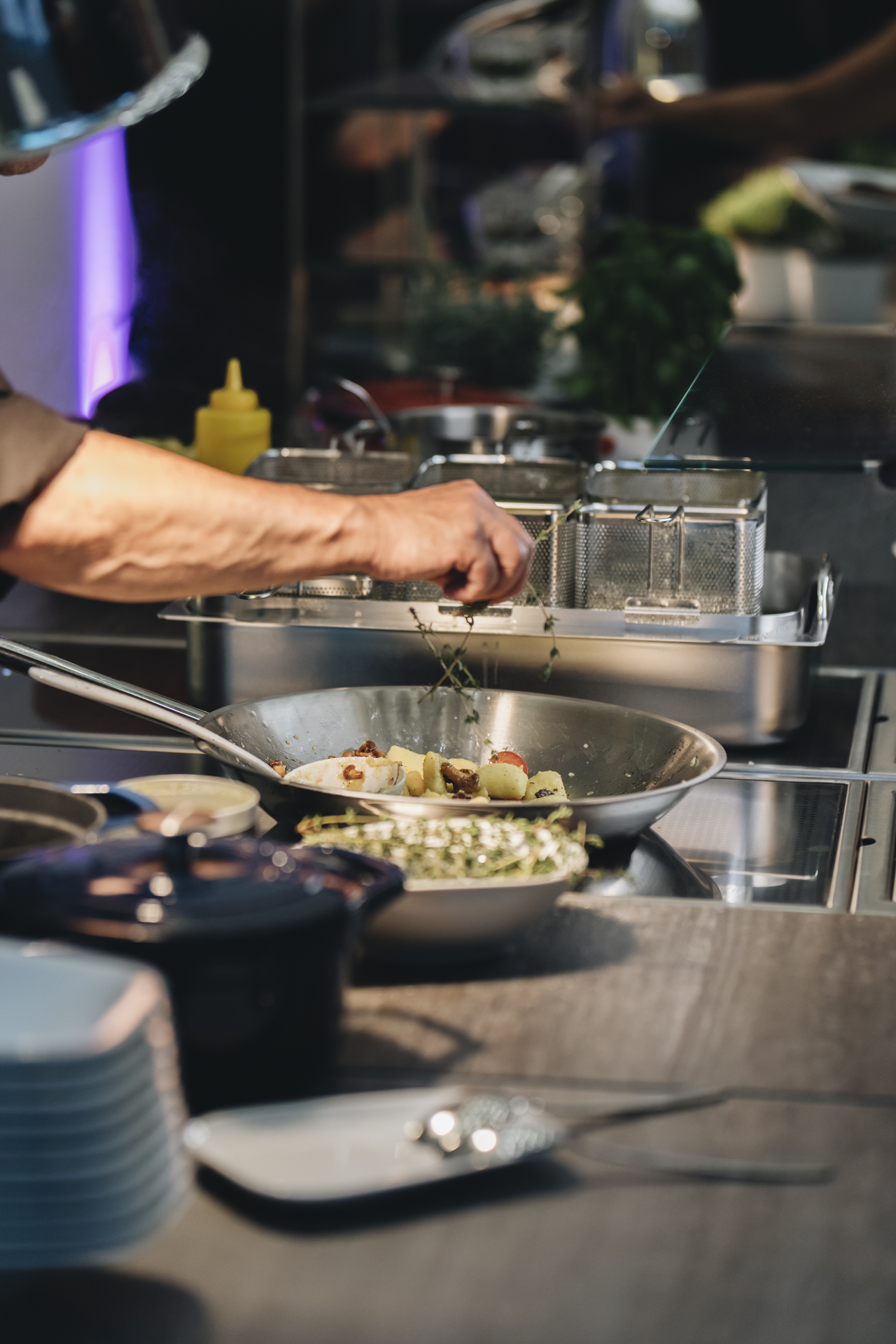
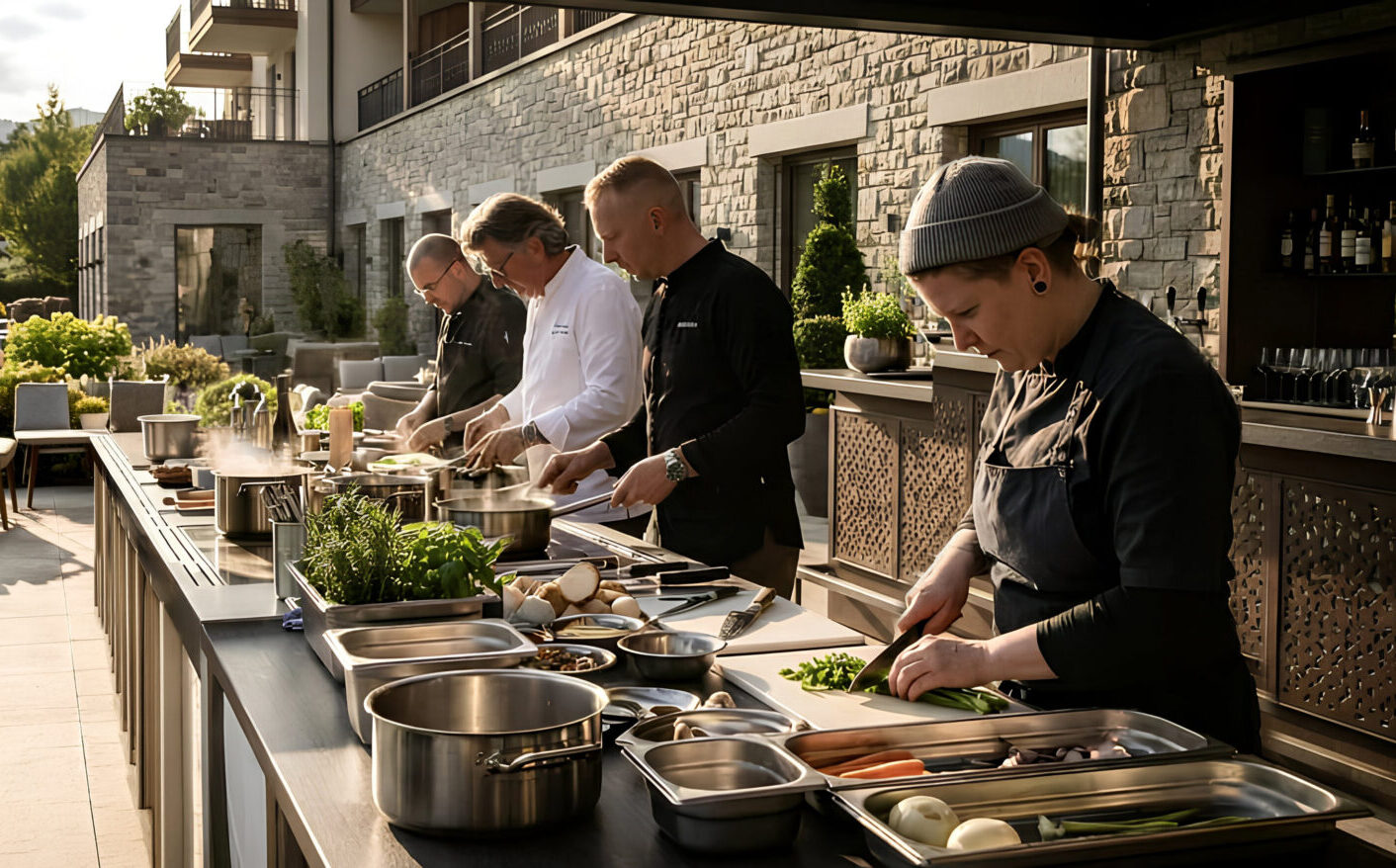
In practice that comes down to stations that don’t have one fixed job. Modular Stations a culinary team can reconfigure for the day in front of them: for the menu that’s running, the covers you expect, and the number of hands actually on. Short a cook? Two stations collapse into one workflow instead of leaving a hole in the line. Running a lighter summer menu? The setup strips back so nobody’s walking six extra steps for a component that isn’t even on this week.
This is where you have leverage a chef doesn’t. Your chef can’t requisition a more flexible line in the middle of service. You can decide, before the season starts, that the line is built to flex in the first place.
And when it does, three things follow that land directly in the numbers you’re accountable for.
Less goes wrong. When a station is set for exactly what the day needs and nothing else, there are fewer steps, less movement, less time lost hunting for a tool that wandered off. Your experienced cooks spend their attention on the food instead of on logistics, and the plate that reaches the guest is better for it.
The standard stops depending on who’s on shift. When the setup guides the work, a fourth-shift hire can turn out the same plate as your ten-year veteran, because the station makes the right thing the easy thing. That’s what holds quality steady through a summer of temporary staff, new faces, and people covering two roles. If you run more than one site, it’s also what holds quality steady between them.
Your team has something left in the tank. A line with no give runs everyone into the ground the first hard week, and a short kitchen quietly becomes a shorter one as people burn out and start looking. Turnover is the most expensive staffing problem you have, and a line that eases the pressure before it breaks people is one of the few things that actually moves it.
Back to that Tuesday
Same three and a half people. The difference is the line no longer needs six to work. It’s set up for three, running a menu with no issues, with the stations rearranged so nobody’s covering a gap that shouldn’t be there. The result is good service flow, quality and consistent dishes and a team that feels confident instead of overwhelmed.
Facing staffing shortages and need to optimize?
Did you enjoy this Blog? Share it with your Network.



Whether you would like to learn more about our products, request a personalized consultation, or are simply curious about the solutions we can develop for you: we are here for you.