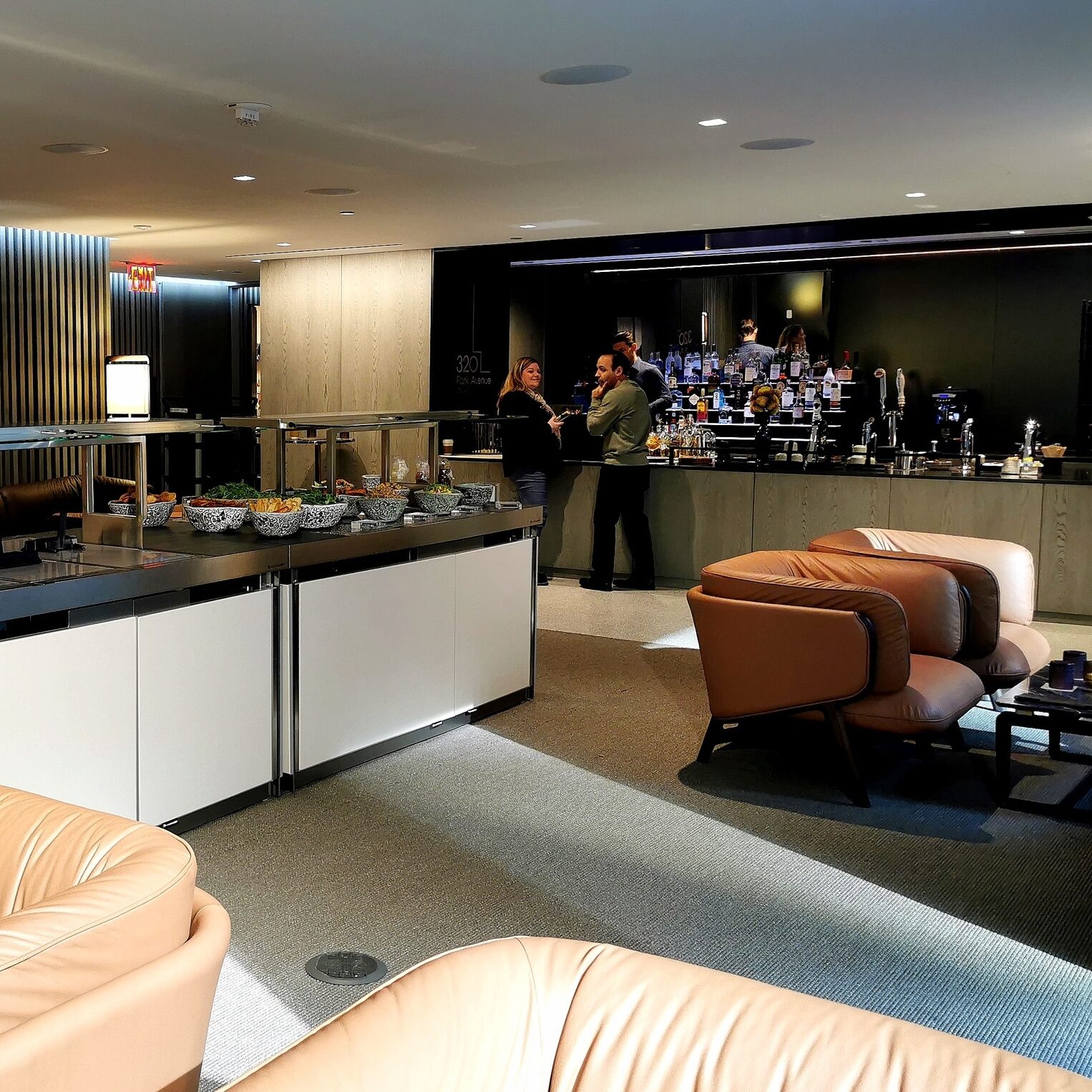
For years, corporate dining was an efficiency engine: predictable headcounts, repeatable menus, fixed lines. But hybrid work quietly rewrote the rules. Today, operator performance isn’t determined by how well they manage volume but how well they manage variability.
Mid‑week peaks, early‑week lows, event days that suddenly demand a completely different format. This is the new normal. And the organizations investing in B&I dining increasingly expect their catering partners to deliver consistency, quality, and a compelling on‑site experience regardless of the day’s attendance curve.
What’s changed isn’t just the number of guests. It’s how spaces are used.
The modern staff restaurant now doubles as an all‑day workplace: lunch service at noon, a department workshop in the afternoon, a leadership town hall an hour later. In many offices, the dining room now carries the same expectations as any meeting space: agile, technology‑enabled, easy to reconfigure, and capable of hosting far more than food.
That shift is putting pressure on traditional, static servery and cooking setups. Fixed counters don’t move. Traditional lines can’t shrink. And kitchens designed for predictable volume struggle to adapt without waste, cost, or compromise.
But here’s the opportunity:
If the workplace needs to be flexible, the foodservice environment can be the most flexible space of all.
A New Service Model for a New Hybrid Rhythm
What operators are looking for now is not a bigger kitchen. It’s a smarter, more responsive front‑of‑house engine. One that lets them:
- Stand up a full multi‑station offering on peak days
- Scale down to compact service without sacrificing freshness
- Flip the room from lunch to workshop to networking event
- Switch menus and formats without reworking infrastructure
- Reduce the cost of overproduction and the risk of under‑delivery
This is where modularity stops being an equipment feature and becomes a business strategy.
Why Modular Live Cooking and Buffet Systems Fit corporate dining
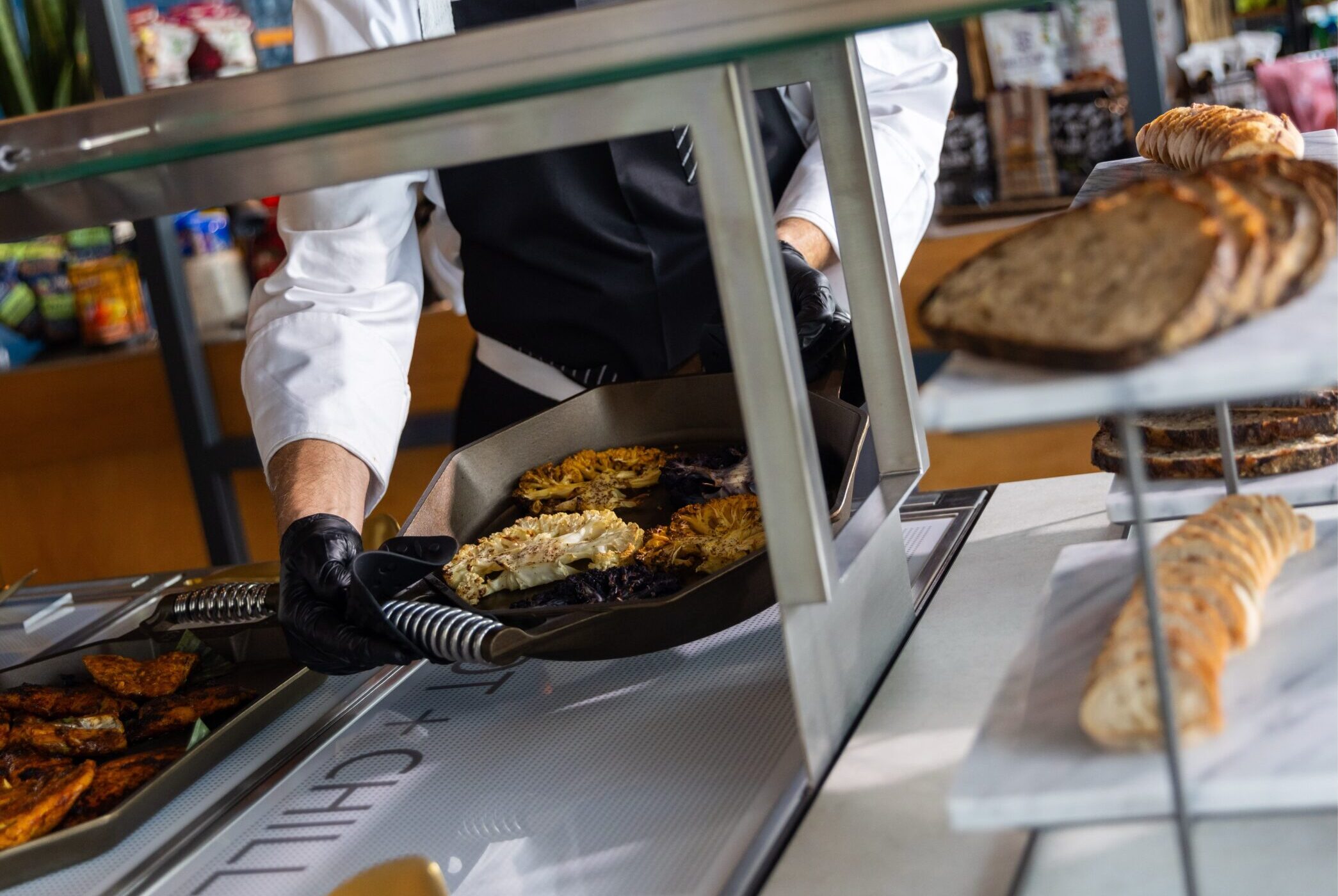
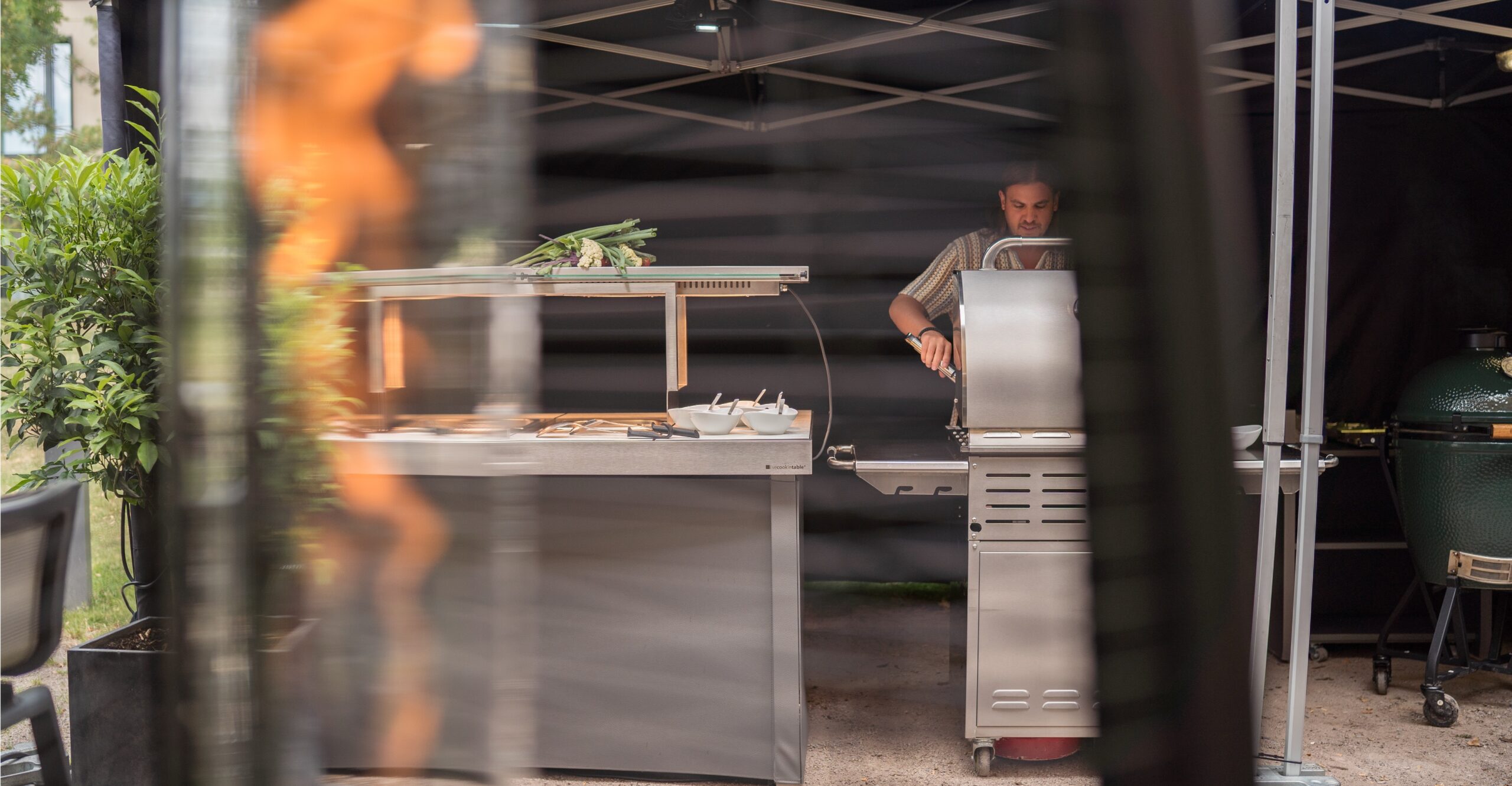
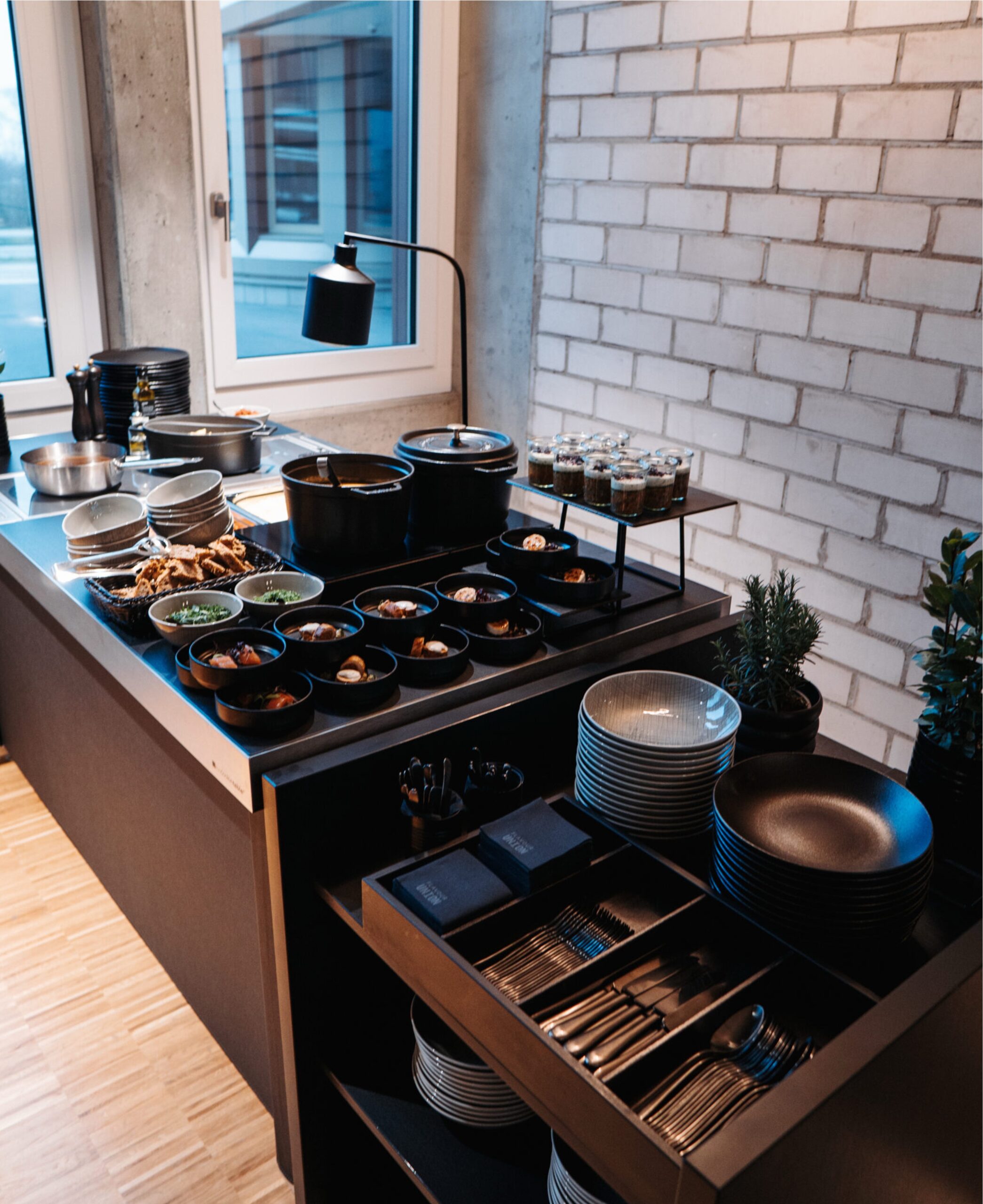
Mobile, induction‑based cooking stations and modular buffet elements give operators something the hybrid workplace demands: control. More specifically, control over:
Capacity — adding or removing devices based on the day.
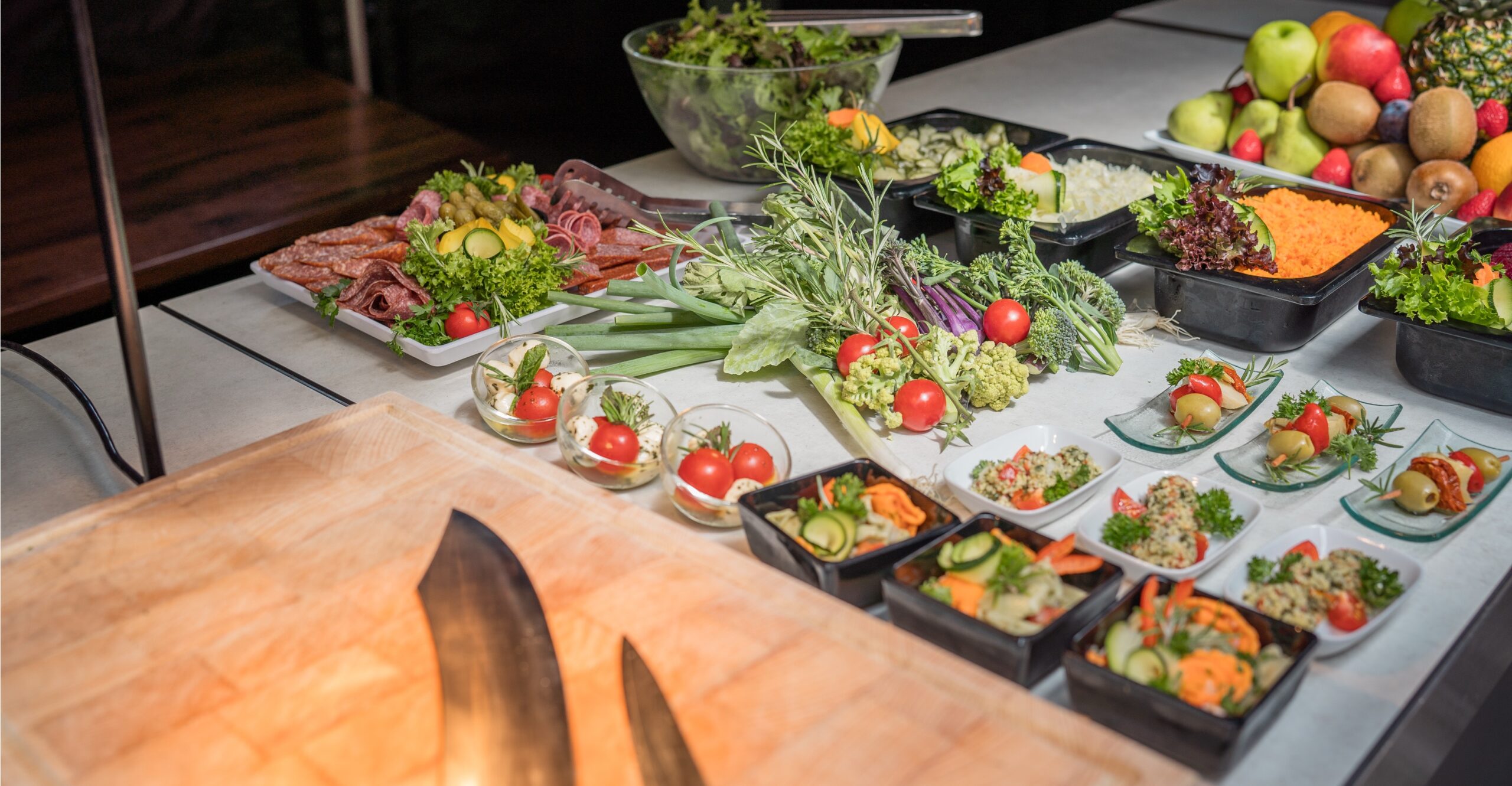
Format — from live production to finger food to dessert and bar service.
Space — opening up or condensing the room in minutes.
Experience — serving food that feels fresh, intentional, and worth the trip to the office.
Instead of planning for “the average day,” operators can plan for every day.
And because modular systems set up quickly, store compactly, and require no fixed infrastructure, they preserve the workplace’s most valuable commodity: flexible real estate.
Where Livecookintable Quietly Makes the Difference
Without being loud about it, this is exactly where livecookintable® sits.
A system built for constant reconfiguration.
A service model that flexes with attendance instead of fighting it.
A product line that shifts from a two‑module breakfast setup to a full live‑cooking line to a bar station for a leadership event, all in the same room, all without tools, hoods, or contractors.
In a world where hybrid patterns may never stabilize, the operators who win will be the ones who can adapt in real time.
And the dining rooms that stay relevant will be the ones that can move, transform, scale, and surprise, every day of the week.
If your workplace is facing similar shifts and you’re exploring more flexible ways to serve your teams, let’s talk about what a modular approach could unlock.