In stadiums and arenas, foodservice performance isn’t measured by covers or consistency, but by how many fans you serve and how quickly you get them back to their seats.
Game windows are short. Intermissions are shorter. Therefore every minute a fan spends in line is a minute not spent watching, engaging, or spending more.
That’s why stadium F&B today isn’t really about the kitchen anymore. It’s about where and how food is produced and served inside the building.
The real operational shift inside modern Stadiums & Arenas
Leading Stadiums & Arenas have quietly changed how they think about foodservice. Rather than concentrating production in fixed back‑of‑house environments, they’re pushing capability closer to demand:
- concourses
- clubs and premium lounges
- suites
- activation zones
- transition and overflow areas
The goal isn’t novelty. It’s throughput, speed, and incremental revenue without adding friction.
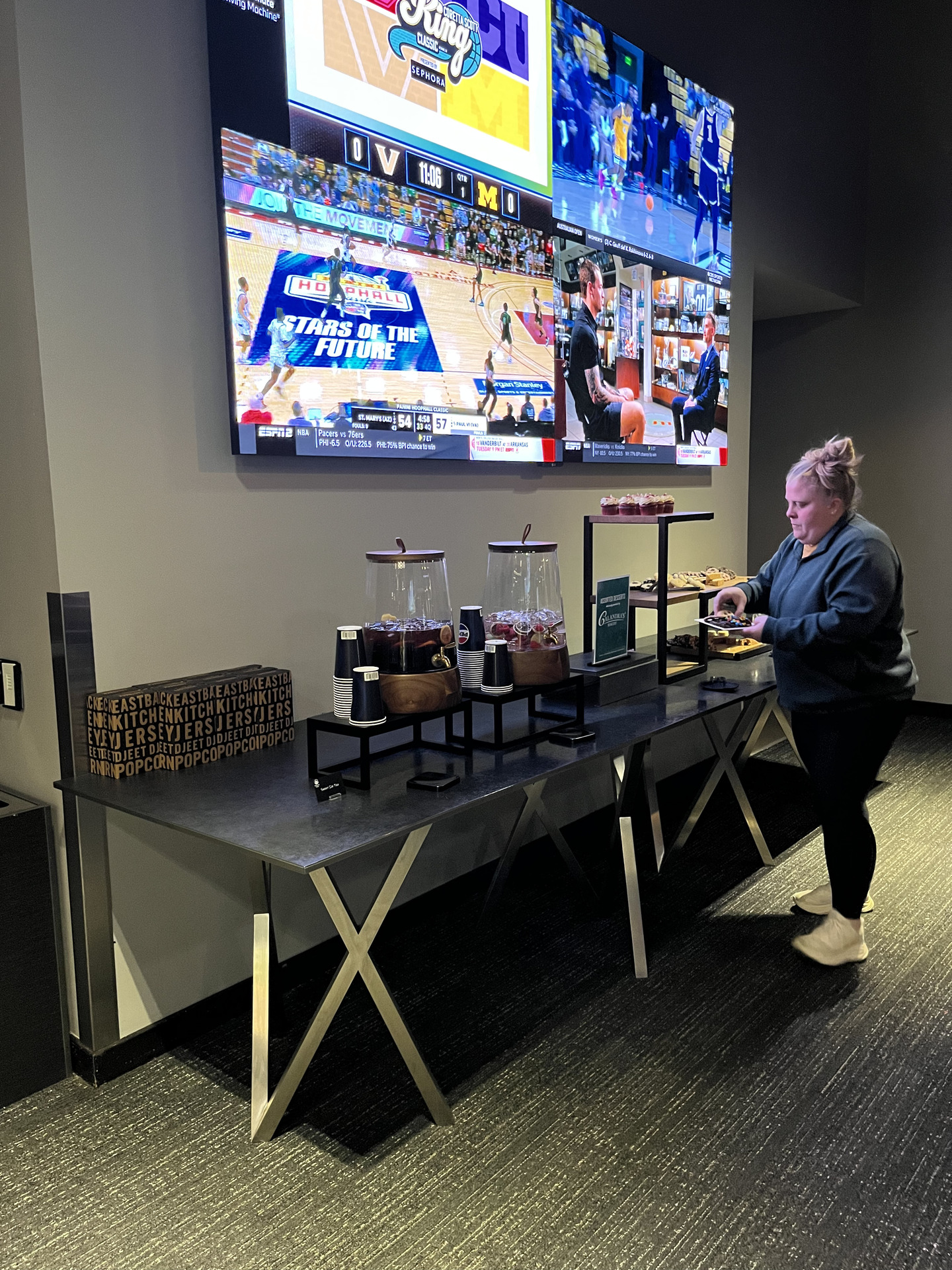
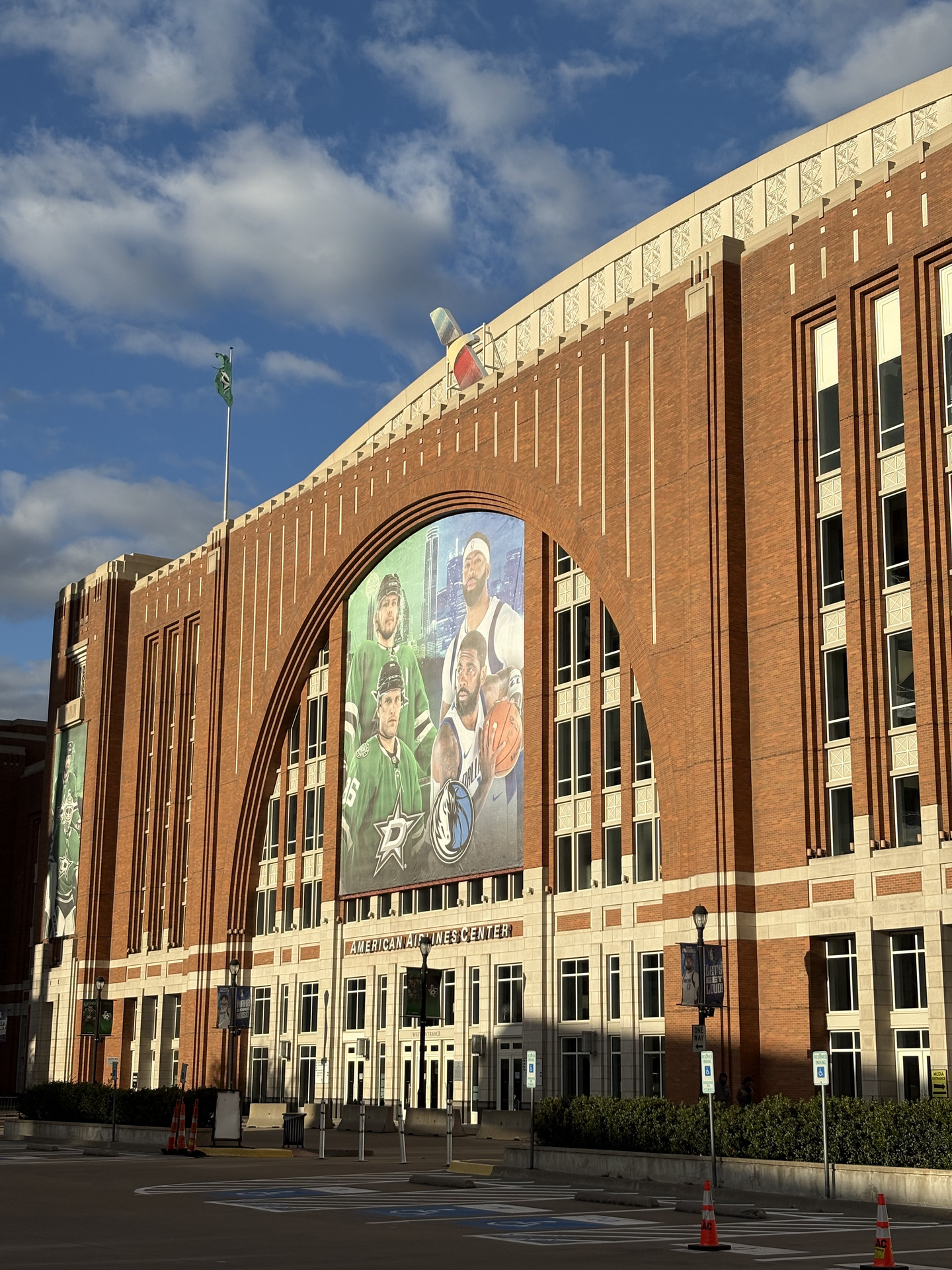
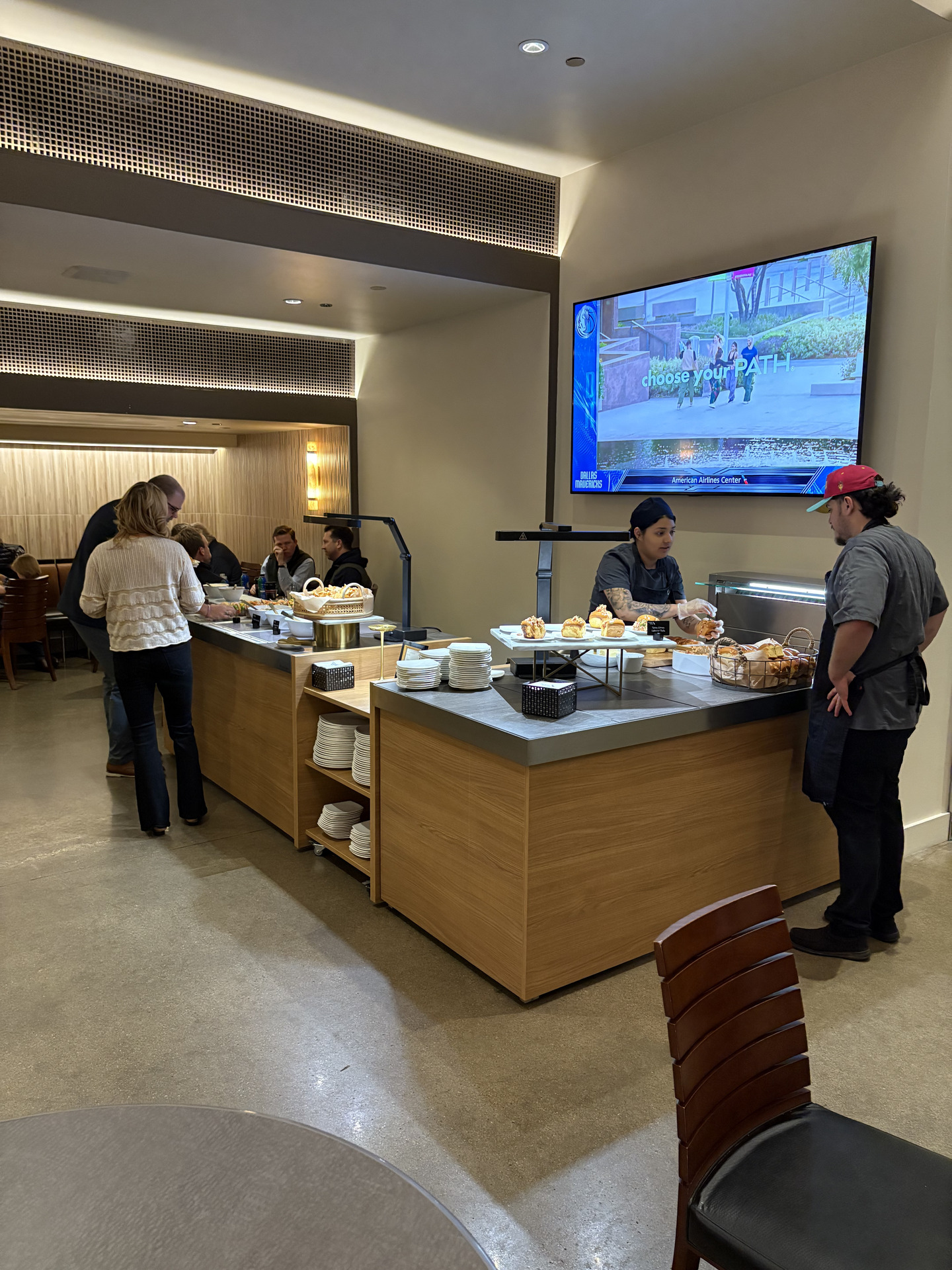
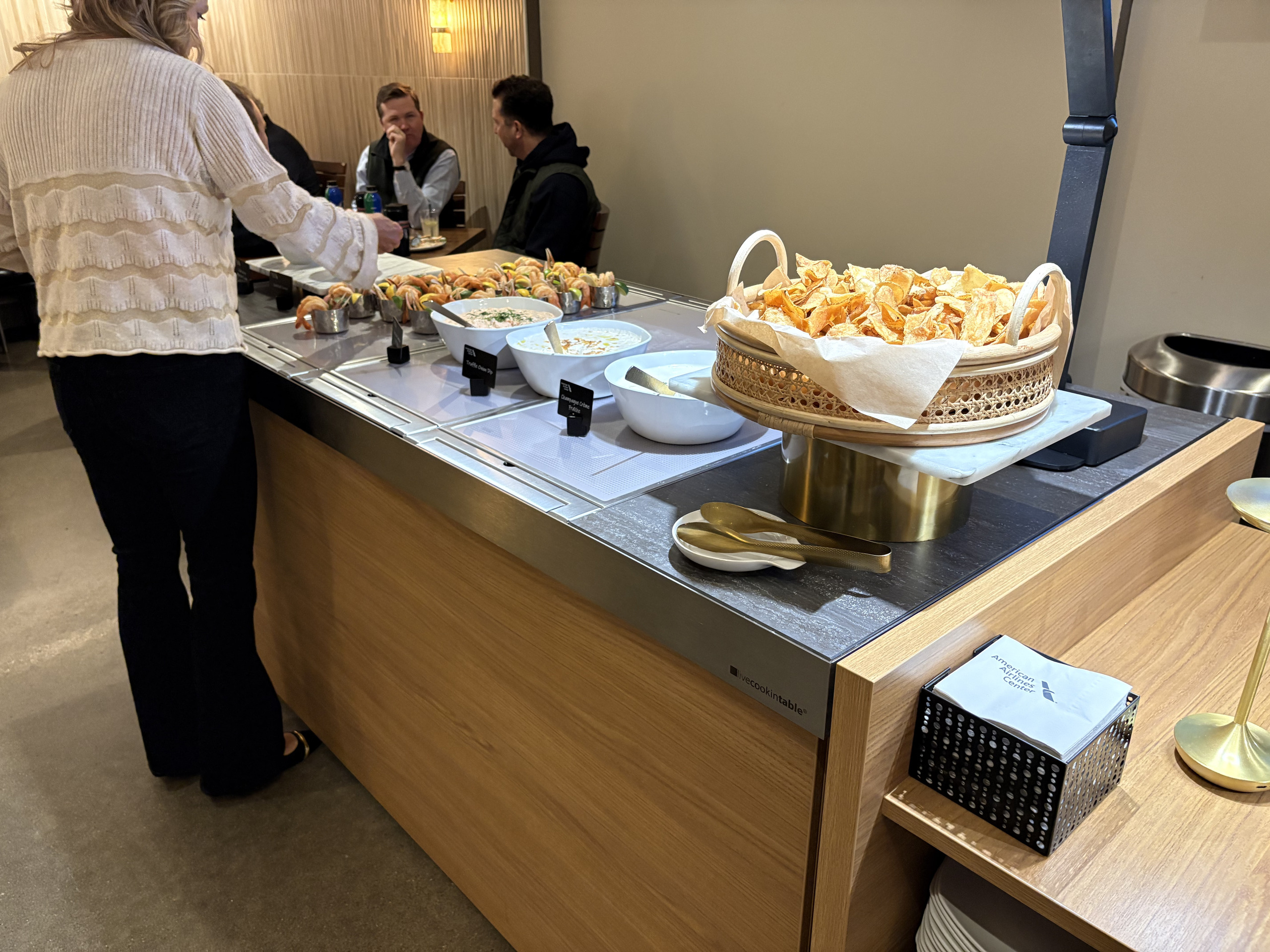
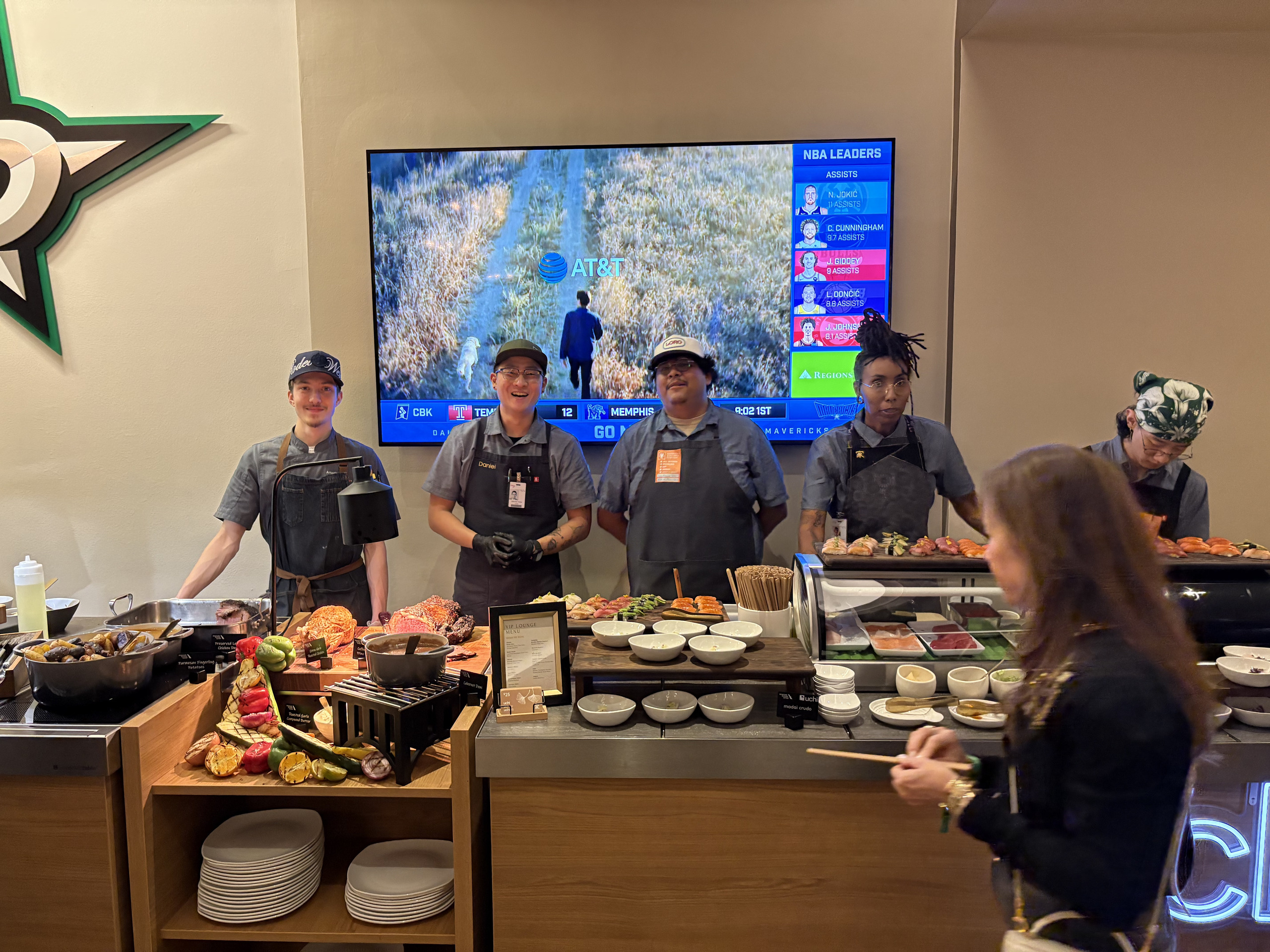
This shift is visible at venues like Mercedes‑Benz Stadium in Atlanta, American Airlines Center in Dallas, and Prudential Center in Newark, where foodservice must flex between high‑volume sports events, concerts and tours, as well as private hospitality and brand activations often within the same week.
Why fixed infrastructure becomes a bottleneck
Traditional, built‑in counters do one thing well: they stay put. What they don’t do is adjust when demand shifts, scale gracefully when volumes spike, activate underused areas of the venue, or disappear efficiently between events.
In high‑pressure stadium environments, that rigidity quickly turns into longer queues, higher labor requirements, and lost revenue at peak moments. And once infrastructure is built, it’s effectively locked in whether a given event actually needs it or not.
What top stadium operators prioritize instead
The most effective stadium operators are now investing in front‑of‑house systems that behave more like assets than installations.
Systems that allow them to:
- create additional points of sale where queues form
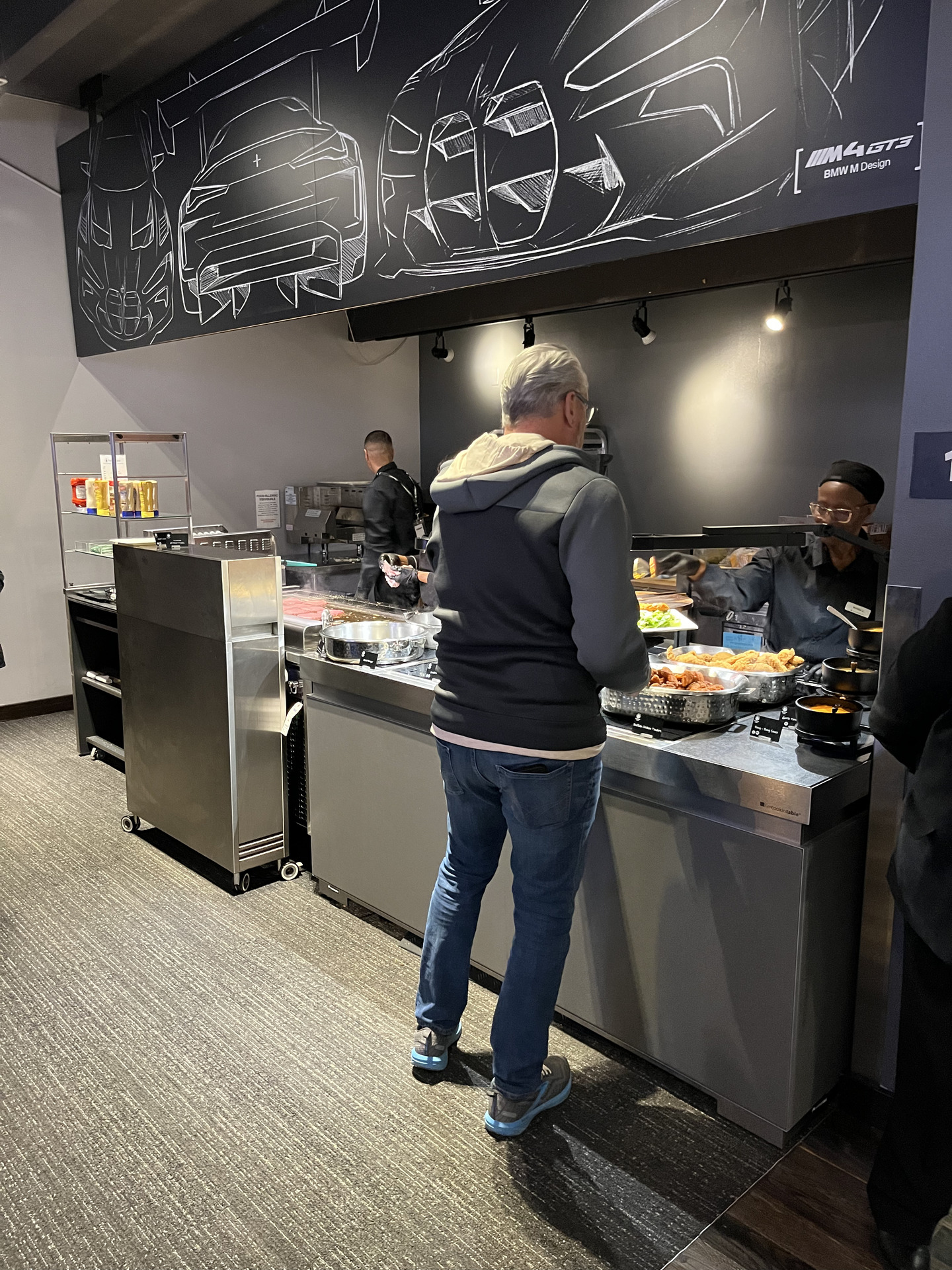
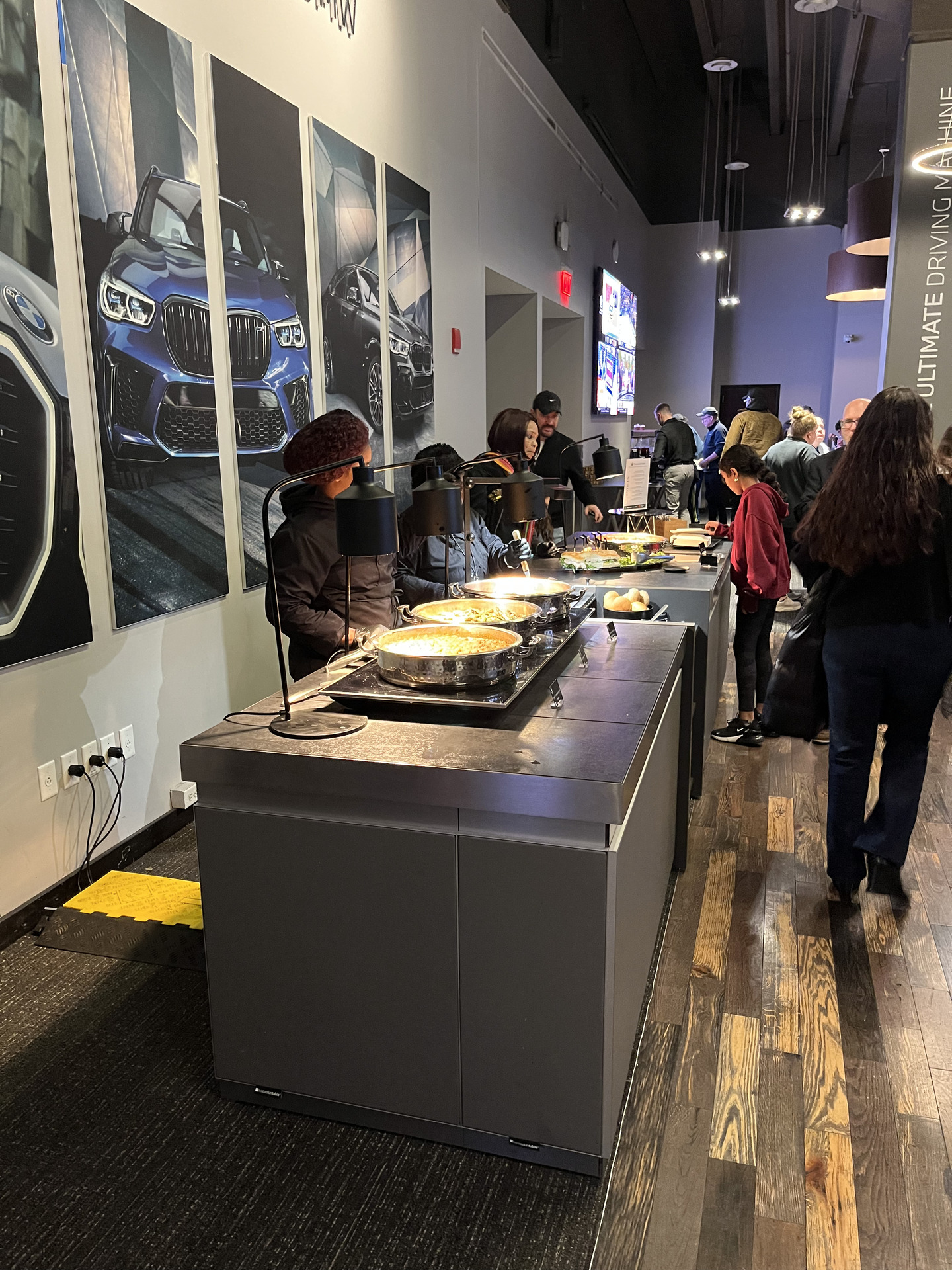
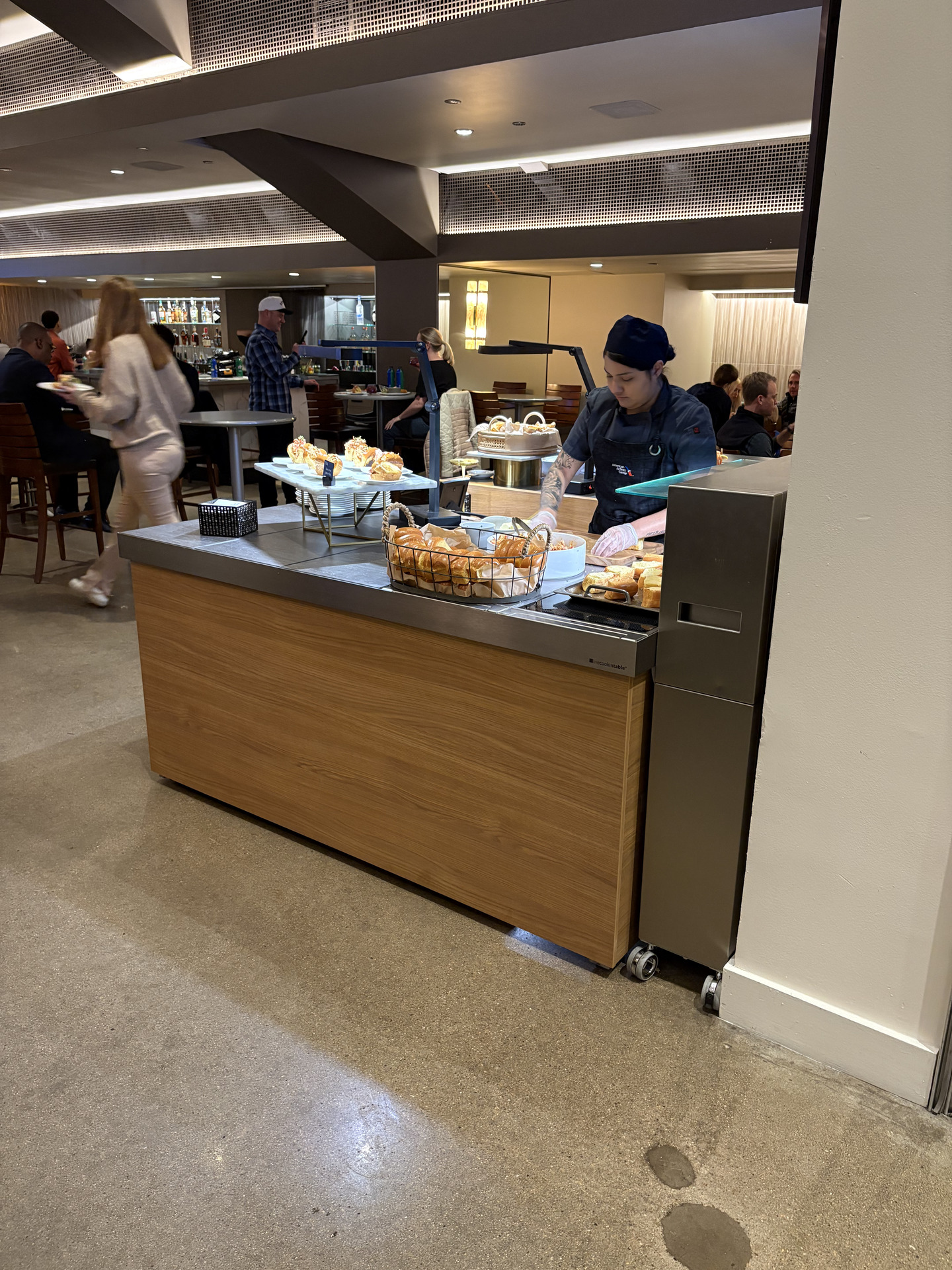
- deploy live or hot service without hoods, gas, or hardwiring
- reconfigure layouts by event, zone, and staffing level
- store equipment compactly when it’s not needed
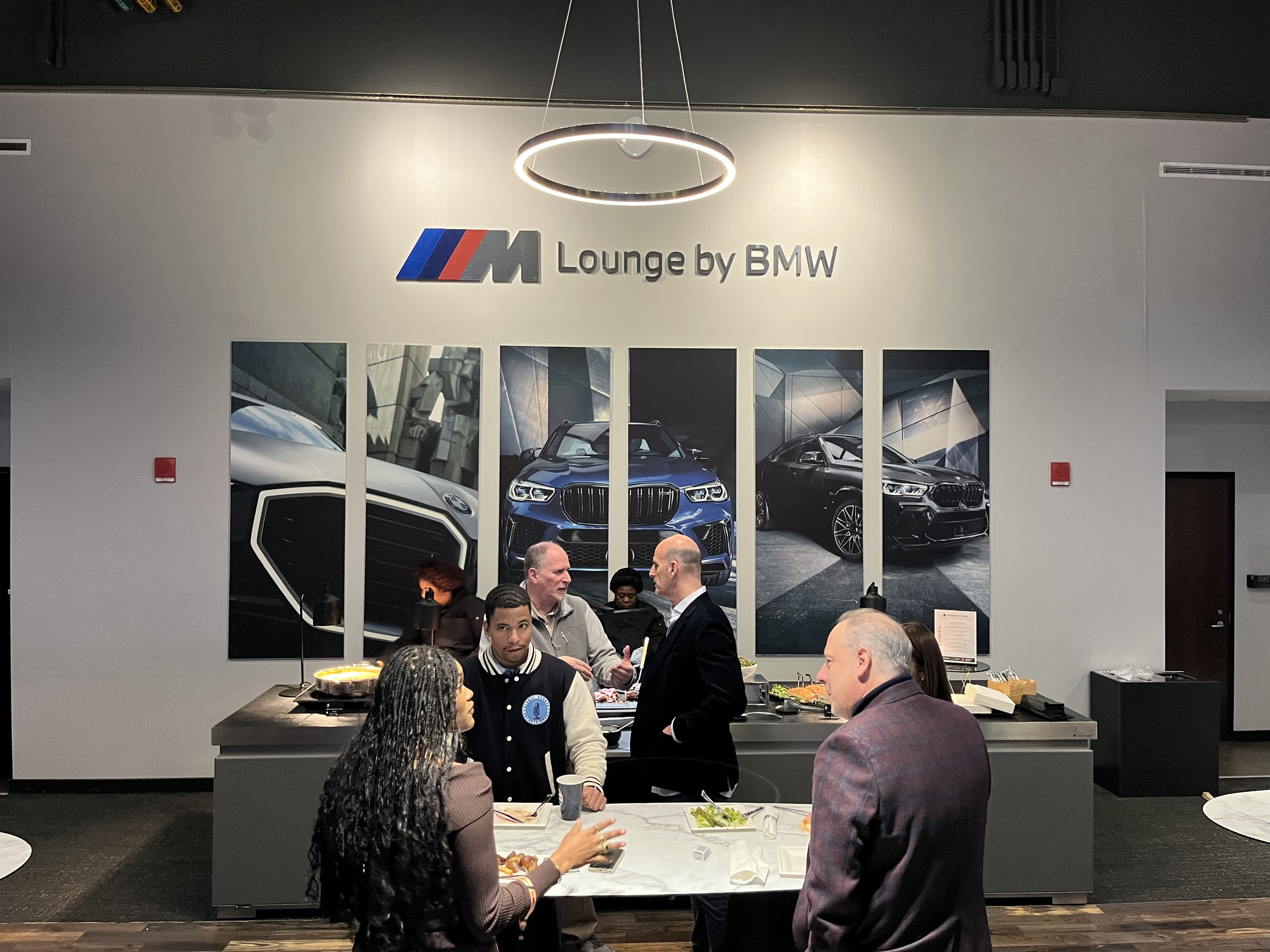
At Prudential Center, where setups change constantly, flexibility is operationally decisive:
Where livecookintable® fits, deliberately understated
livecookintable® doesn’t replace stadium kitchens. On the contrary, the focus is on extending them, strategically with a modular system that allows:
- high‑throughput live service
- premium menu execution
- deployment in non-traditional spaces
- rapid setup, teardown, and storage
- zero permanent infrastructure
In other words, a way to capture demand where it appears, not where the building was originally designed to serve it.
For stadiums and arenas, the question is no longer: “How do we build more foodservice?” It’s: “How do we serve more fans, faster, using the space we already have?”
The venues performing best are the ones treating foodservice as a movable, adaptable revenue layer, not a fixed footprint.
If your stadium or arena is exploring ways to increase throughput, unlock underused space, and deliver premium experiences without new construction,
let’s talk about what a modular approach can unlock.